Ischgl
Skiing in Ischgl: Where to Start on the Mountain
What skiing in Ischgl feels like
Skiing in Ischgl gives you a long season, usually from late November to early May, and a mountain that feels built for steady mileage rather than a gentle stroll. The Silvretta Arena has 239 kilometres of slopes and snow parks, plus 46 lifts and cable cars with a capacity of around 97,000 people per hour, so the area can move a lot of skiers without feeling cramped at the main hubs.
That scale matters on your first day. You get a resort that works for mixed groups, confident intermediates, and strong skiers who want plenty of ground to cover, while beginners need to pick their starting point carefully because the layout rewards direct routes and confident lift use. Start with the idea that Ischgl is about covering ground efficiently, not sitting in one small zone all day.
How the Silvretta Arena is laid out
The Silvretta Arena runs from 1,377 m up to 2,872 m, so you move across a wide vertical range instead of staying on one type of terrain. Ischgl sits on the Paznaun Valley side, while Samnaun opens the cross-border ridge on the Swiss side in Graubünden, and the whole setup works as one linked ski area rather than two separate resorts.
That layout shapes your day from the first lift. Lower down, you deal with the village-side access and the main lift flows out of Ischgl, then the network pulls you higher towards broader terrain and the ridge line. Once you are up near the top, the skiing opens out and the choices split fast, so you should decide early whether you want to stay on the Austrian side or keep moving towards the cross-border runs.
The mountain favours skiers who are happy to plan a line across the map rather than lap one short slope. If you want easy navigation, use the lift network to stay on the main artery and avoid unnecessary backtracking; if you prefer variety, the linked sides make that simple without forcing you to reset your day.
Where to start on your first ski day
For a first day in skiing in Ischgl, start from the village lift area at Fimba or from the Ischgl Silvrettabahn Talstation. Both put you straight into the system without wasting time crossing the valley on foot, which matters when you want your first laps to feel simple rather than staged.
From there, Idalp is the clearest first target. It gives you an easy way up into the main mountain and lets you build a round trip without committing to the steeper ground too early. Pardatschgrat is the better name to learn for your route planning, because it shapes how you return to the centre and which side of the mountain you use for your next descent.
Beginners should stay close to the lift flow that comes back into the village and avoid long detours into the far edges of the area. More confident skiers can use Fimba for a quick launch, then link towards Idalp and keep the first half of the day focused on familiar snow before stretching the route higher.
Which runs suit beginners, intermediates, and strong skiers
Beginners should look for the gentler slopes near the main lift access and keep their first laps around the lower, busier parts of the mountain. That gives you shorter decisions, simpler transfers and an easier way to step off when the legs get tired. The snow parks sit inside the overall ski area total, so you can ignore them on day one unless jumps and rails are already part of your plan.
Intermediate skiers get the most out of the linked blue and red terrain around Idalp and the broader middle mountain. This is the level where skiing in Ischgl starts to feel efficient, because you can chain runs without needing to cross back and forth to the same lift every time. Save the more exposed pistes for later in the week, once you know how the mountain feeds back to the village.
Strong skiers should head for the steepest ground early, when the snow is still smoother. Ischgl has expert slopes reaching a 70% gradient, which is the kind of terrain that asks for solid edges and clean turns. That is the place for confident legs, not for a first warm-up lap after breakfast.
Families should stay with the easier mountain links and use the lift network to cut down on awkward return walks. If you want variety without stress, keep the park features and the steep faces for another day and build the outing around steady cruising instead.
Crossing into Samnaun and coming back
A day in the Ischgl-Samnaun ski area can run straight across the border into Samnaun in Graubünden, Switzerland, without changing the resort system. That matters because you can treat the two sides as one ski day, then decide whether to stay out for lunch or turn back before the runs get busy. Skiing in Ischgl feels wider once you cross over, but the smart move is to think about the return as part of the plan, not as an afterthought.
Long traverses and lift hops add up quickly at the end of the day. If you head into Samnaun, keep an eye on the time and choose a route back that leaves you enough margin for the last lifts and a clean run home, rather than forcing a complicated link when your legs are already tired. That approach works better than chasing the furthest point on the map and hoping the way back will sort itself out.
How to plan ski days around weather and crowd flow
Higher slopes usually hold snow better, so they are the safer bet when you want firmer conditions and less slush later in the day. In Ischgl, that also helps you avoid wasting time shuttling between lower lifts before the mountain has settled.
On busy days, start early and make your first climb count. Pick a base that points you toward the terrain you want most, then stick with that side of the mountain instead of crossing back and forth for no reason. Those extra lift changes cost time, and in a place this large, they can turn a good morning into queue time.
Weather matters by exposure as much as by temperature. Use wind, cloud, and visibility to decide whether you begin on the more sheltered or the more open slopes, then move only when the mountain changes in your favour. That keeps you skiing, not riding lifts just to find the same conditions again.
Where to stay for easy access to the lifts
For skiing in Ischgl, stay as close as you can to the village lift area if you want short mornings and fewer decisions. Around Fimba, there are 113 hotels within 500 m, with a median guest rating of 9.3/10 across the properties that have at least 20 reviews. That zone works well if you want quick access without being right on the main street, and it keeps you close to the first lifts without adding a long walk in ski boots.
Hotel Garni Martina in the Fimba area is the standout nearby base, with a 9.4/10 rating from 442 reviews and a location score of 9.6/10. Near the centre, Hotel Fliana 4-Sterne Superior has a 9.6/10 rating from 131 reviews and a location score of 10/10, so you trade a more central address for the easiest walk to the lift side of town. That makes the centre a better pick if you want cafés, shops, and a simple route back after the last run, while Fimba is the cleaner choice when your priority is getting onto the mountain fast.
Where to stay in Ischgl
Hotels in Ischgl that fit this guide:
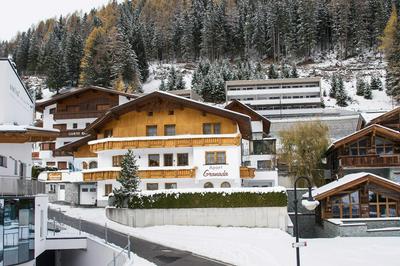
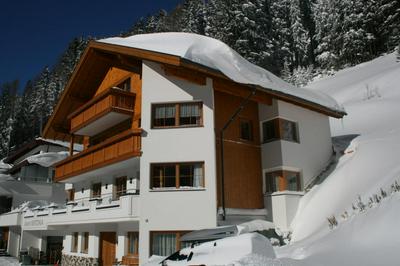
- Hotel Modern Mountain (4-star · rated 9.6/10 · 396 reviews) — With ski storage, lift access, and room options featuring balconies or desks, it suits skiers who want practical rooms and on-site recovery space.
- Hotel Idhof (rated 9.1/10 · 339 reviews) — Free parking, family rooms, and ski pass vendor access make it a fit for driving guests and families who need help with ski logistics.
- Schlosshotel Ischgl 5-Sterne Superior (5-star · rated 9.5/10 · 112 reviews) — At Dorfstraße 85 near the centre, with a fitness center, swimming pool, and ski-related storage, it suits skiers looking for training and recovery facilities.
- Hotel Abendrot by Alpeffect Hotels (3-star · rated 10/10 · 43 reviews) — A 0.2 km walk to Pfarrkirche Ischgl and simple facilities like bar, sauna, and ski parking make it convenient for short stays.
- Hotel Garni Martina (4-star · rated 9.4/10 · 442 reviews) — With ski storage, family rooms, and wellness facilities including sauna and steam room, it works well for groups planning ski days and unwind time.
- Hotel Garni Pra Posta (rated 9.5/10 · 102 reviews) — Wifi available, free wifi, parking.
- Elizabeth Arthotel Adults Only (5-star · rated 9.6/10 · 70 reviews) — Fitness facilities, wifi available, free wifi.
- Hotel Garni Pradella (3-star · rated 9.3/10 · 134 reviews) — Ski storage, hammam and spa/wellness facilities, and family room options fit skiers who want relaxation after time near Ischgl centre.
- Hotel Eldorado (4-star · rated 9.3/10 · 502 reviews) — Balcony rooms and family rooms, along with a fitness center, restaurant, and room service, suit guests planning both training and meals around ski time.
- Apart Anja (rated 9.2/10 · 118 reviews) — With ski storage that includes a boot dryer and placement in the Paznaun Valley, it suits travellers focused on keeping gear ready for skiing.
Questions people ask before skiing in Ischgl
Is Ischgl good for skiing?
Yes, if you want a large mountain rather than a small local hill. The Silvretta Arena has 239 kilometres of slopes and snow parks, plus 46 lifts and cable cars, so you can cover a lot of terrain without constant backtracking. Beginners need to choose their starting area carefully.
Is skiing in Ischgl expensive?
The facts here do not include ski-pass prices, but Ischgl is a major resort with 239 kilometres of slopes and 46 lifts, so you should plan for a full mountain day rather than a cheap small-area ticket. Check current ski-pass prices on the resort’s official site.
Which is better, St. Anton or Ischgl?
Ischgl runs from late November to early May and has 239 kilometres of slopes, so it is the stronger pick if you want a long season and a big linked area. Choose St. Anton for a different style of skiing; choose Ischgl for a wide network and cross-border laps.
Is Ischgl a big ski resort?
Very big. The Silvretta Arena covers around 515 hectares, climbs from 1,377 m to 2,872 m, and links Austria with Samnaun in Switzerland. That size makes route choice important on your first day, especially if you do not want long traverses back to the village.
Where should I start skiing in Ischgl on the first day?
Start from Fimba or the Ischgl Silvrettabahn Talstation, then head for Idalp. Those access points put you straight into the system, and Fimba is about 6 min on foot from the centre. It keeps your first laps simple and avoids a long morning walk in ski boots.
A simple way to plan your days on the snow
Start low at your closest lift, move up into the wider Silvretta Arena once the snow is moving well, and save the longest runs for the end of the day. Keep Samnaun for a dedicated cross-border day, not a quick add-on, because that layout rewards a full plan. For skiing in Ischgl, the right base is the one that puts your first lift closest to your door.