Saalbach
Saalbach Ski Resort: Season, Snow and Slope Layout
When does Saalbach ski season start and finish?
A normal winter season in the ski resort in Saalbach usually runs from early December to mid-April. In practice, opening and closing can shift with snowfall, temperature, and which lifts the operator can keep running.
Some offers are reduced in pre-season and off-season, so do not plan on the full line-up outside the main winter period. The best snow is often later in winter, when the base is more settled and more of the mountain is open.
For a trip on fixed dates, lock in the current opening and closing window before you book accommodation and tickets. That matters most if you are aiming for early December or the last weeks of the season, when snow cover and operating hours can change fastest.
Where to stay in Saalbach:
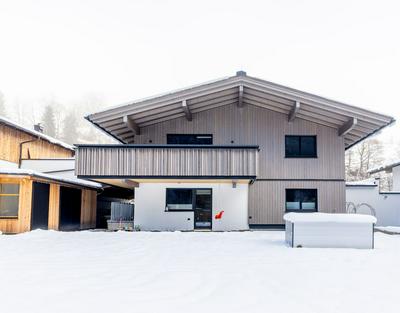
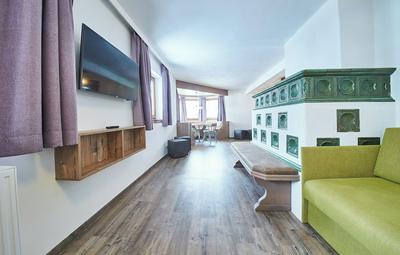
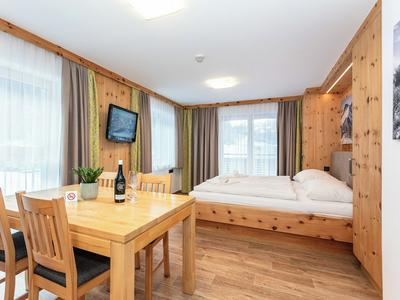
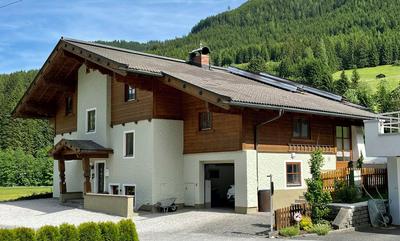
- Appartement Hoamatgfüh (2-star · rated 10/10 · 1 reviews) — A comfort apartment with balcony and mountain view suits skiers wanting a simple base, with wheelchair accessibility and bicycle parking included.
Is Saalbach ski resort open?
The ski area is usually open in winter, but not every lift or service runs at the same time. In pre-season and off-season, some offers are limited, so the real question is which part of the mountain is running on the day you arrive.
The first lifts to open are often the ones that give access to the main valley runs, then higher links follow as conditions allow. At the end of the season, that order can reverse, with some upper lifts staying open after lower snow gets soft or patchy.
For a live check, look at lift status and piste status together, not just the village weather. A base station can look fine while one sector is closed, and that is the detail that decides whether your first day is a full ski day or a short one.
How big is the Saalbach ski area?
The Ski ALPIN CARD links 3 premium regions, so the ski area is bigger than Saalbach alone and works as a proper multi-day destination. It ties Saalbach-Hinterglemm Leogang Fieberbrunn together with Schmittenhöhe in Zell am See and Kitzsteinhorn Kaprun, giving you several mountain sectors to move between in one ticket.
That matters on the snow too. You can spend one day on Saalbach’s main slopes, then switch to other linked terrain without starting from scratch, which is why the area feels broad enough for a full week rather than a quick lap and repeat stay.
The layout also helps the day run smoothly. There are more than 60 ski huts across the Skicircus, so you can break up long ski days without leaving the linked area, and you are not stuck in one compact bowl.
In practice, the main bases each give you a different way into the same wider system. Saalbach puts you close to the central links, Hinterglemm keeps access straightforward, Leogang adds another side of the network, and Fieberbrunn widens the range into Tyrol.
For a first trip, we would treat it as a large, connected ski circuit rather than a single resort core. That is the strength here: enough terrain to roam, but still one coherent area once you learn the main lift links and valley routes.
How high is Saalbach ski resort?
Saalbach ski resort is a valley-base area with high mountain lifts, so the useful height change happens between the village floor and the skiing above it. That difference matters: lower slopes soften sooner, while higher runs hold snow better and usually stay the smarter choice later in the season.
You should picture a long vertical spread rather than one single elevation band. From Saalbach, the lifts quickly take you up to open ridges and linked terrain above the tree line, while return runs back to the village sit lower and feel the effect of warm spells first.
That is why top height choices shape the experience here. On colder days, the whole area works well; when conditions turn softer, starting higher up and finishing there gives you the best snow, especially if you want to ski late in the day without relying on the lowest home run.
Is Saalbach snow-sure?
Snow is most reliable higher up in the Saalbach ski resort, especially on the mountain starts above the valley. Schattberg gives you a higher opening move, while Reiterkogel sits lower and is more exposed, so it depends more on cold spells and snowmaking.
That is why the area can still ski well in a normal winter even when lower runs need help. You usually get the steadiest conditions by starting early on higher terrain and working down when temperatures have held through the night.
Schattberg is the safer pick when you want firmer snow late in the season or after a warmer spell. Reiterkogel is the more straightforward beginner base, but it is the one to watch first when the snow line rises and the lower slopes soften sooner.
Is Saalbach a good ski resort?
Yes. The ski resort in Saalbach works well for strong skiers, cautious beginners and mixed groups because the terrain splits cleanly between the valley bases and the higher, more demanding links. Saalbach village is the most practical base for first-timers and social groups because it gives you the broadest choice of lifts, shops and evening life without forcing long transfers.
What makes it work is the way the area encourages linked-day skiing. You can build a route across Saalbach, Hinterglemm, Leogang and Fieberbrunn without feeling trapped on one slope network, so a sporty couple can chase terrain while slower skiers keep to easier runs and meet up later for lunch.
That flexibility is the main reason the resort feels stronger than a simple local hill. It suits families who want different levels in the same trip, groups with one fast skier and one cautious skier, and anyone who likes to cover ground rather than ride the same pistes all day.
The trade-off is pace. This is not a quiet place for slow, small-scale skiing, and the size of the area can punish an unfocused plan. If you pick the wrong side of the valley for your level, you will spend time moving around instead of skiing well.
For a first base, Saalbach village makes the most sense. It is the easiest place to organise a day on the mountain, and it gives you the best balance between on-slope access and after-ski options without committing you to the more specialised feel of the other bases.
Saalbach also suits skiers who want a proper social scene after skiing. The village is the liveliest part of the resort, while Hinterglemm is the calmer alternative if you want a little less noise in the evening and still want quick access to the area.
For snow and layout, the higher mountain links are the better choice when conditions matter most. Schattberg gives you a higher start and a more serious mountain feel, while Reiterkogel is the more forgiving side of the valley for easy progression and lower-stress first days.
So yes, it is a strong all-round resort, but not a soft one. Go here for varied skiing, linked-area days and a base that keeps your options open; choose somewhere else only if you want a quieter, narrower ski holiday.
Is Saalbach good for beginners?
Yes, the Saalbach ski resort can work well for first-timers, but it is not the kind of place where you should plan to ski the whole linked area on day one. The clearest beginner base is Reiterkogel in Hinterglemm, where the skiing feels more manageable than the bigger mountain links higher up.
That is the part of the resort where you can build up in stages: start on gentler ground near the village, then move on once you are comfortable with turns, speed control and stopping. Saalbach village is more useful once you are already moving confidently on blue terrain and want easier access to the wider area.
The main limitation for a new skier is the size and spread of the system. The full area is built for people who can handle longer ski days and moving between sectors, so beginners should stay close to Reiterkogel at first and treat the rest of the network as a later step, not a first-morning goal.
Is Saalbach good for après-ski?
Yes. The ski resort in Saalbach has après-ski built into its winter rhythm, with the liveliest scene in Saalbach village itself. That is the place for people who want a full day on snow followed by music, drinks, and a later night; Hinterglemm is the calmer choice.
Saalbach village is where you get the strongest after-ski energy and the most obvious late-afternoon drift from slopes to bars. It suits groups that want to keep the day social and fast-moving, and it works best if you are happy with noise and a later return to the hotel.
Hinterglemm feels more restrained. You can still go out, but the pace is gentler, so it is the better base if you want an easier evening and a quieter ski holiday without leaving the resort area.
Where to stay in Saalbach-Hinterglemm
Hotels in Saalbach-Hinterglemm that fit this guide:
- Boutique Hotel ANYBODY (3-star · rated 9.5/10 · 965 reviews) — In Saalbach Hinterglemm centre and near the mountains, this hotel suits families and small groups with ski storage, WiFi, and spa space.
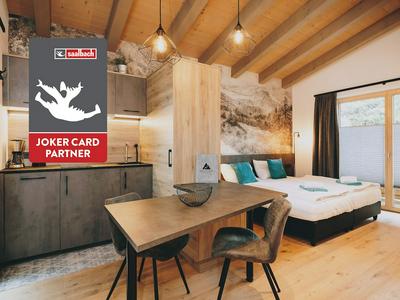
- AvenidA Mountain Lodges Saalbach incl Joker Card (4-star · rated 9.4/10 · 1298 reviews) — With modern apartments, ski storage, and a sauna or spa, these lodges suit winter stays that include planned downtime in Saalbach Hinterglemm.
Where to stay in Leogang
Hotels in Leogang that fit this guide:
- Stockinggut by AvenidA (4-star · rated 9.2/10 · 1845 reviews) — A highly rated stay with restaurant, bar, sauna, and clean, comfortable rooms suits skiers who want on-site meals after slope time.
- mama thresl (rated 9.6/10 · 135 reviews) — Located about 2 km from Leogang centre with nearby museum sights, mama thresl suits active travelers using WiFi, fitness facilities, and a tennis court.
Where to stay in Fieberbrunn
Hotels in Fieberbrunn that fit this guide:
- All-Suite Resort Fieberbrunn inkl Aubad-Eintritt im Winter und im Sommer inkl Lauchsee Eintritt (4-star · rated 9.1/10 · 560 reviews) — An all-suite resort in Fieberbrunn with sauna, WiFi, fitness center, and multiple penthouse options suits groups that need space after skiing.
- ADEA Lifestyle Suites Fieberbrunn (rated 9.3/10 · 302 reviews) — ADEA Lifestyle Suites Fieberbrunn suits skiers who want downtime on-site, with a swimming pool, sauna, and spa/wellness centre.
Frequently asked questions
Which airport is closest to Saalbach?
Salzburg Airport is the closest one listed for the ski area, about 52 km away in a straight line and about 60 min by car. It is the most practical arrival point for Saalbach if you are flying in.
Where can I find the Saalbach ski resort map?
Use the piste map for the Skicircus Saalbach Hinterglemm Leogang Fieberbrunn. That is the map that shows the linked valleys, the main mountain links, and the wider Skicircus layout you need for planning ski days.
How much is a Saalbach ski pass?
No exact pass price is given here. The key point is that the area runs on the Ski ALPIN CARD, which covers Saalbach-Hinterglemm Leogang Fieberbrunn plus Schmittenhöhe in Zell am See and Kitzsteinhorn Kaprun.
Can I use my Saalbach ski pass in Zell am See and Kaprun?
Yes. The Ski ALPIN CARD includes 3 premium regions, and those include Schmittenhöhe in Zell am See and Kitzsteinhorn Kaprun as well as the Saalbach area. That is the ticket to choose for all three.
Where can I buy a ski pass in Saalbach?
You can buy a ski pass at the lift ticket offices in the resort, usually at the main valley lift points in Saalbach and Hinterglemm. That is the simplest option if you want to sort it out on arrival.
Who Saalbach suits best
Saalbach suits active skiers, not quiet mountain escapes. The resort works especially well for groups and mixed abilities, because you can split up during the day and still come back to the same valley base for the evening.
The season is usually long, the mountain layout gives you options at different heights, and the après-ski scene is part of the appeal rather than an add-on. Choose your base by pace: Saalbach for the livelier end of the day, Hinterglemm for a calmer one.
Book the Saalbach ski resort if you want a social, flexible ski trip with strong downhill time. Look elsewhere if you want a silent, low-key winter stay.