Chamonix-Mont-Blanc
Chamonix Snow: What to Expect and Where to Go
What Chamonix snow feels like across the valley
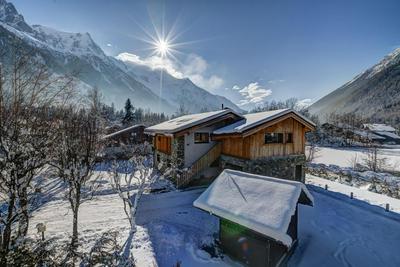
Snow in Chamonix changes fast as you move up the valley. On the floor of Chamonix, near the Rue des Allobroges side of town, you may get wet pavements or bare patches while the higher slopes hold winter snow for much longer. That gap is the first thing to understand if you are new to the area.
Around Mont Blanc and the Mont Blanc massif, altitude does the work. The air gets colder, the snow stays firmer, and the look of the valley changes from slushy streets to proper winter ground as you climb. That is why a single day can feel mild in town and fully wintry higher up.
For a first visit, keep the map simple. Think in bands: town level for easy movement, the mid slopes for more reliable snow, and the high mountain for the clearest winter conditions. That way you judge each place on its own terms instead of expecting the same snow everywhere.
When snow usually matters most in Chamonix
Chamonix snow matters most through the usual ski season, when the valley shifts into winter use and the higher ground holds on to snow for the longest. Early winter is the least predictable part. Town streets can stay patchy, while the upper mountain already feels properly wintry.
By midwinter, snow is more dependable at altitude and the cold is settled enough for proper skiing days. That is the safest time to plan around snow if you want fewer compromises. You still need to think about level: lower parts of the valley can be softer or less consistent than the slopes above.
Spring brings a sharper split between morning and afternoon. Higher slopes usually keep the better snow for longer, while lower areas change faster as the day warms up. If you want the most reliable snow conditions, aim for the core winter months and start early, before the day softens the surface.
Where to find snow near town

For reliable Chamonix snow, start high. Aiguille du Midi sits above the valley floor, so it is the clearest place to look for proper high-altitude snow, while Brévent gives you ridge access without leaving the main town side of the valley.
Montenvers and Mer de Glace are the other obvious pair. They sit on the Mont Blanc side of the valley, so they give you a stronger winter feel than lower streets, and the glacier setting is the place to head if you want snow to be part of the visit rather than just a white backdrop.
Down-valley, Les Houches, Argentière and Le Tour are the names to watch. They are the places where snow is more likely to matter for skiing and day trips, while the town itself can look wintry without having consistent cover underfoot. If you only have one day, choose the higher ground first; the lower valley is the one most likely to disappoint when conditions soften.
What snow means for Chamonix town streets
In town, snow is less certain than the skyline suggests. Chamonix to Chamonix-Mont-Blanc is about 6 min on foot, and the Rue des Allobroges base area keeps you close to shops, transfers and a flat start to the day.
Winter pavements can be icy, especially after overnight freeze or where foot traffic packs the surface down. That matters more than the postcard view, because a white ridge above town does not mean the streets below are easy to walk.
Low-level snow is the weak point here. If you want simple walking and less slip risk, stay near the centre and move by short hops; if you want the best chance of real snow on the ground, plan to go higher rather than banking on the street level.
How snow affects skiing and riding
Snow in Chamonix changes fast as you move around the valley, and that shapes every ski day. Low down, the floor of Chamonix can feel patchy after warm spells or wind, while higher ground keeps better cover and colder snow for longer.
The Chamonix Valley spreads skiers across several sectors, so you can move with the conditions rather than stay in one place. Les Houches works well when you want lower, more sheltered terrain and an easier day, while Argentière and Le Tour pull you higher for colder snow and a better chance of keeping good surfaces later in the season.
That matters on stormy days. When cloud sits in the valley or visibility drops, the higher lifts can still give you usable runs, but they also bring more wind exposure and a sharper temperature drop, so the snow can change from soft to firm in the same day.
For strong skiers and snowboarders, the main draw is the steeper ground above Chamonix and the long alpine lines near Mont Blanc. This area suits people who want more than easy cruising: you get real altitude, serious terrain, and conditions that reward an early start and a flexible plan.
The Mont Blanc Tunnel also changes the logistics. It keeps access simple from the other side of the mountain, which helps if you are moving between bases or trying to dodge a bad weather pocket in one part of the valley.
Snowy walks and viewpoints to aim for
You do not need skis to get a clear read on Chamonix snow. Walks and viewpoints show you the difference between the town floor and the higher slopes, and the footing decides how far you should push it.
From Chamonix to Brévent, the walk takes about 45 min. It is a decent choice when the lower paths are clear and you want a quick climb for a wider look over the valley, but on slick ground you should turn back early rather than treat it like a casual stroll.
The route from Chamonix to Montenvers takes about 60 min, so you need more daylight and firmer shoes. It gives you a stronger mountain feel than a quick town walk, while the path from Montenvers to Mer de Glace takes about 25 min and works best when the surface is packed down rather than icy.
That last section can be awkward after fresh snow or a thaw, because the scene looks inviting but the ground tells you otherwise. If you want views without a hard effort, stay nearer town and choose a lower lookout; if you want the glacier side of winter, go higher only when your footwear and balance are up to it.
For a simple day out, aim for the places where snow adds shape without making every step difficult. The best viewpoint is the one you can reach safely, not the one with the biggest view.
What to pack for cold, wet and icy days
For Chamonix snow, pack in layers you can add or strip fast. The valley can feel damp and mild in town, then colder and windier once you move up towards Aiguille du Midi, Brévent, or Montenvers, so a single thick coat usually does less than a base layer, mid-layer, and shell you can adjust through the day.
Choose footwear with proper grip. Pavements in Chamonix and around Rue des Allobroges can turn slick after fresh snow or an overnight freeze, and hard soles make that worse. Waterproof boots with a tread you trust are better than fashionable shoes that look fine indoors and fail on slush.
Carry gloves, a hat, and eye protection. Wind on the ridge, glare off fresh snow, and wet snowfall in the valley all make a difference, especially if you move between town, lifts, and viewpoints in the same day. A spare pair of socks helps more than most people expect, because wet feet ruin a long afternoon fast.
Bring one dry layer for later. Snow in Chamonix often changes from powdery to heavy and wet as the day warms in the valley, so the best kit is the one that keeps working when conditions shift, not just when you step out in the morning.
Snow questions travelers ask before they go
Is Chamonix snow sure?
Not in town. Chamonix can have wet pavements or bare patches while higher slopes stay snowy much longer, so snow gets more reliable as you gain altitude. For the steadiest conditions, focus on the upper mountain and start early in the day before the surface softens.
What is the best area to stay in Chamonix for skiing?
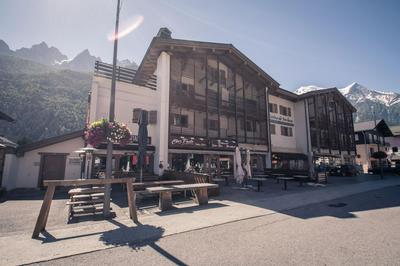
Chamonix-Mont-Blanc on Rue des Allobroges is the easiest base if you want flat access and short transfers, and it is about 6 min on foot from Chamonix. Stay there if you want simple logistics; move higher only if you care more about snow quality than convenience.
Is it expensive to ski in Chamonix?
There’s no price in the fact sheet, so the practical answer is about trade-offs: higher sectors give you better snow, but they also mean more moving around the valley. Les Houches is the easier, lower-key choice, while Argentière and Le Tour push you towards colder, more dependable snow.
Where near town should you go first for the best snow?
Aiguille du Midi is the clearest first pick for proper high-altitude snow. Brévent gives you a strong town-side option, while Montenvers and Mer de Glace give you a more wintery feel than the streets below. Choose higher ground first if you only have one day.
How far is Montenvers from Chamonix in snow?
Montenvers is about 60 min on foot from Chamonix, so it needs proper footwear and enough daylight. The last stretch from Montenvers to Mer de Glace is about 25 min, and that section is better when the surface is packed rather than icy.
Planning around snow in Chamonix
Pick altitude first if snow is the priority. Higher ground around Aiguille du Midi, Brévent, and Montenvers gives you better odds than relying on the town centre, where conditions change faster and can be patchier. That matters if you want snow views or reliable skiing without wasting time.
Chamonix itself still earns a place in the plan. Base yourself in town if you want easier walking, short transfers, and a simple choice between ski days and quieter days out of the weather. Families usually get the smoothest trip by staying close to the lifts and keeping one flexible day for the valley floor. If you care most about snow quality, stay higher and accept less convenience. If you care most about moving easily, keep Chamonix town as your anchor.