Paris
Paris City Weather: Current Conditions and 14-Day Forecast
What Paris city weather means right now
Paris city weather is usually mild rather than severe, but the right answer comes from the current reading, not the calendar. Paris sits in a temperate oceanic climate, so conditions change quickly with wind and rain. Use Paris-Montsouris weather station as the local benchmark and Météo-France as the official source before you step out.
This guide covers the weather in Paris right now, the next 14 days, how it compares with the United Kingdom, and what to watch for before you leave the hotel. That matters most if you are planning time outdoors near the River Seine or a long walk across the city.
The practical move is simple: check the forecast, then dress for a cooler feel than the number alone suggests. Wind, damp air and a sudden shower can change a short walk into a wet one, even when the day starts softly.
Is it really cold in Paris right now?

Is it really cold in Paris right now? The honest answer depends on today’s reading from Paris-Montsouris weather station and the latest Météo-France update. If wind is up, Paris can feel colder than the number suggests, and the River Seine area often feels damp rather than sharp.
That local benchmark matters because central streets can feel different from a forecast pulled from elsewhere in Île-de-France. Mornings and the period after dark usually feel cooler, especially when you are waiting outside or crossing open bridges.
Use the official forecast date on the day you leave, then decide on layers, not just a coat. As of October 2026, the safest rule is still the same: check Météo-France first, then allow for wind and wet pavements before you head out.
If you are asking about Paris city weather for today, think in terms of feel, not only temperature. A dry, still day can feel fine; a windy, damp one can feel cold fast, especially near the water and late in the day.
What is the weather like in Paris for the next 14 days?

The 14-day picture for Paris city weather is the one to use for planning, not a single day’s snapshot. Météo-France updates that outlook regularly, so treat it as a moving trend, with the clearest split usually between brighter daytime periods and cooler mornings and evenings. As of 8 October 2026, that is the right lens to use before you leave the hotel.
For a family day out, build in an indoor stop and keep the first outdoor block flexible. Paris can look fine at midday and still feel much colder once the light drops, especially after a wet spell. If you’re arranging museums, a café lunch, or an early dinner, keep those as your backup when the forecast turns unsettled.
Use the trend, not the urge to overreact to one rainy icon. A dry stretch usually changes what you pack, but it does not remove the need for a light layer, because the morning and evening can still feel different from the middle of the day.
Is Paris warmer than the UK?
Yes, Paris is often milder than much of the United Kingdom, but not by a huge amount on a windy, wet day. Both places sit under Atlantic weather patterns, so the comparison changes fast when a front moves through. Paris winters are usually less sharp than in many UK cities, while London often feels close enough that the difference is small.
That matters on short trips. In Paris, a damp morning along the River Seine can feel colder than the temperature suggests, and a dry afternoon can feel easier than the same reading back in the UK. The city usually gets the gentler side of winter, but a cold snap or strong wind can make the answer flip for a day or two.
What to beware of in Paris?
Watch for sudden rain, wind, and slick pavements near the River Seine. In the Paris city weather, a dry morning can turn damp by lunchtime, and the quay stones and crossings near the water get slippery fast. Dress for walking, not just for a taxi to the hotel.
Cold mornings can also catch you out, especially on open boulevards and around bridges where the wind cuts through a coat. A light jacket is often not enough if you plan to stand outside for long, queue, or move between sights on foot. The same goes for summer heat, which builds on exposed streets and makes long walks feel harder than the forecast suggests.
Keep a layer you can remove, and choose shoes with grip. If you are heading to the Seine or anywhere with broad open spaces, expect more wind than in side streets. Families should pack a spare top for children, because a wet stop can turn a good day cold very quickly.
How Paris weather changes through the year
Paris has a temperate oceanic climate, so the swings stay moderate rather than extreme. The Paris city weather changes quickly, though, and that is what catches people out: spring and autumn can flip from mild to cool in a few hours, while summer brings warmer days that feel heavier once you are walking and waiting outside.
Spring is the season for layers and a light waterproof. March, April, and May can start cool in the morning and feel comfortable later, so you want clothes you can peel off and put back on. Rain gear matters more than a thick coat, because showers and wind often arrive together.
Summer usually gives you the easiest walking weather, but heat sits longer in the city than on the coast. In July and August, a shade break and water matter more than looking dressed up, especially around wide streets and squares with little cover. If you plan to stay outside for a long stretch, avoid heavy fabrics.
Autumn turns faster than many first-time visitors expect. September can still feel mild, then October and November bring more damp days and a clear need for a warmer layer by evening. Winter is generally damp rather than severe, so a proper coat, gloves, and shoes that handle wet ground work better than a heavy snow kit.
For most of the year, the safest approach is simple: light layers in shoulder seasons, breathable clothes in summer, and something warmer for winter nights. That keeps you ready for the day-to-day swings in Paris without overpacking.
What to wear for Paris weather
For Paris city weather, dress in layers you can peel off on the metro and put back on outside. Start with a shirt or light top, add a jumper, and keep a waterproof outer layer in your bag if rain is on the forecast. Comfortable shoes matter more than smart ones on wet pavements and long stretches on foot, especially if you plan to cross the River Seine and keep walking.
Families should pack one extra layer for children, plus dry socks if the day starts damp. Morning air can feel sharper than the afternoon, and evening plans usually need the same outer layer again. Skip flimsy shoes. They turn a normal day into a slow one.
Facts to verify before publishing
| Topic | Verified fact | Why it matters for you |
|---|---|---|
| Tourist tax change date | At 1 January 2026, the tourist tax amount changes in the city of Paris. | Any quote or booking total that includes tax should be read as a 2026 figure, not a 2025 one. |
| Île-de-France add-on | Since 2025, Paris also applies an extra tax for Île-de-France Mobilités at 200% of the tourist tax. | Expect the local charge to be higher than the base tourist tax alone. |
| Rate by accommodation | The additional tax follows the same accommodation categories as the tourist tax. | A hotel’s class changes the amount you pay. |
| Unclassified stays | For accommodation not classified or awaiting classification, Paris uses 5% of the cost per person per night HT, plus the additional taxes, with a ceiling of €15.93. | This is the key figure for apartments and other unclassified stays; treat it as an upper limit, not a flat price. |
Where to stay in Paris
Hotels in Paris that fit this guide:
- Hôtel Des Grands Voyageurs (4-star · rated 10/10 · 2154 reviews) — Good for families and pet lovers in Rue de Vaugirard, with air conditioning for hot days and a terrace for breaks between weather changes.
- Hôtel Saint Martin Bastille (3-star · rated 9.8/10 · 3279 reviews) — A family-friendly base on Boulevard Richard Lenoir, offering air conditioning, family rooms, and elevator access for day-to-day comfort.
- Hotel La Villa Saint Germain Des Prés (5-star · rated 10/10 · 462 reviews) — Works well for families since it has air conditioning and indoor spa options like sauna, heated pool, and wellness services when weather turns.
- LE BEAU MARAIS – Luxury Apartments, AIR COND, LIFT (rated 9.7/10 · 230 reviews) — Wifi available, free wifi, parking.
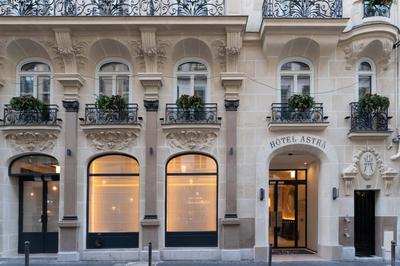
- Hotel Astra Opera – Astotel (4-star · rated 10/10 · 1505 reviews) — Suited to families or luxury travelers because it includes air conditioning and indoor relaxation like sauna, hammam, and a heated pool.
- Beausejour Ranelagh (3-star · rated 10/10 · 453 reviews) — Good for families and pet lovers at Rue du Ranelagh, with pets allowed, air conditioning, and a terrace for calmer weather moments.
- Grand Hôtel Du Palais Royal (5-star · rated 10/10 · 422 reviews) — Fits families and couples at Rue De Valois, combining air conditioning, a terrace, and a hammam for indoor time during rainy or cold spells.
- Le Matissia (rated 9.8/10 · 111 reviews) — A simple choice for couples and solo travelers on Rue de Montholon, with concierge support, elevator access, and free WiFi regardless of weather.
- Hôtel Dame des Arts (4-star · rated 10/10 · 1457 reviews) — Fitness facilities (surcharge), air conditioning, restaurant.
- Hôtel La Conversation (3-star · rated 9.6/10 · 2224 reviews) — A comfortable pick for families on rue Brancion, with air conditioning, a terrace, and wheelchair-accessible facilities for variable conditions.
Quick answers about Paris city weather
Is Paris warmer than the UK?
Paris is often milder than much of the United Kingdom, but not by much on a wet, windy day. Both places sit under Atlantic weather patterns, so a front can narrow the gap quickly. In Paris, damp air near the River Seine can make a cool day feel colder.
Is tourist tax per person or per room?
In Paris, tourist tax is charged per person, not per room. The amount also changes with the accommodation category, and since 2025 there has been an extra tax for Île-de-France Mobilités at 200% of the tourist tax. That extra charge follows the same accommodation classes.
How much is the tax in Paris, France?
For accommodation not classified or awaiting classification, Paris uses 5% of the cost per person per night HT, plus the additional taxes. The ceiling for that tariff is €15.93. For other accommodation, the amount changes by category in the same way as the tourist tax.
Can you refuse to pay tourist tax?
No, tourist tax is a local charge in Paris, not an optional extra. The amount changes in the city of Paris at 1 January 2026, and the added Île-de-France Mobilités tax has applied since 2025. If your stay is billed correctly, it should be included in the final charge.
What to beware of in Paris?
Watch for sudden rain, wind and slick pavements, especially near the River Seine. Paris weather can feel colder than the reading suggests when the air is damp, and that matters most after dark or on open bridges. Good shoes and a spare layer save you trouble.
A simple way to check Paris before you go out
Start with Montsouris and Météo-France, then dress for the day you actually have, not the one you hoped for. Check the current reading, glance at the 14-day trend, and add layers if rain or a cooler front is due. Use the same check before evening plans, because Paris city weather changes enough to affect what you wear after dark. That quick routine keeps the day simple.