Tignes
Skiing Conditions in Tignes: Snow, Wind and Best Days
What skiing conditions in Tignes usually feel like
Skiing conditions in Tignes change fast with height, wind and lift access, so the first choice is often where you start the day. From Tignes le Lac, Tignes Station de Ski is about 10 min on foot, while Val Claret reaches the same point in about 9 min, and the two villages sit about 20 min apart on foot. That matters when the forecast looks unsettled, because you can move quickly between the central base and the higher side of the resort without wasting half a morning.
First-time skiers usually feel the difference in the first few runs. Lower areas are easier to manage when you want short lifts and a quicker retreat, while higher ground gives you firmer snow for longer and usually asks more of you when wind or visibility turns. If you are unsure, start from the place that gives you the shortest route to the lift you actually plan to use, not the one with the best view.
Snow quality at different heights
Snow quality in Tignes changes with altitude, and the same day can feel very different at the base, in the middle, and up near the glacier. Around Grande Motte glacier, the higher snowline keeps colder snow in play for longer, so fresh falls stay light longer and packed powder holds its shape better than lower down. In Tignes le Lac, lower resort snow softens sooner once the sun gets on it, which is useful for relaxed laps but less friendly when you want a firm edge.
Val Claret sits between those two moods, so you often get a split answer: the top of the area can hold chalky, grippy snow while the lower runs start to show spring snow or icy patches later in the day. After fresh snow, the upper slopes usually improve first, but on quiet days the lower resort can ski neatly after grooming and a cold night. That makes the choice simple enough. Head higher when you want better snow texture, stay lower when you want easier exits and less time lost to weather.
Wind, visibility and lift closures
Wind is the first thing that changes skiing conditions in Tignes. Exposed lifts can stop, or run slowly enough to turn a normal circuit into a queueing day, and the lift status often shifts before lunch as crews react to stronger gusts higher up. That matters most around the Grande Motte glacier, where flat light and drifting cloud can wipe out depth perception fast.
When the weather closes in, stay on lower, more sheltered terrain and use the open lifts that link the resort areas rather than chasing the highest snow. In weak visibility, broad pistes and short transfers around Tignes le Lac are easier to manage than exposed upper runs, because you can read the slope edge and return without much faff. If the wind drops after lunch, move up then; if it stays strong, stop forcing the glacier and keep the day simple.
How to read the forecast before heading out
Start with the avalanche bulletin. On snowy or windy days, the bulletin tells you far more about route choice than a fresh forecast does, because new snow and wind loading change the risk on steeper terrain before the pistes themselves feel different.
Next, look at lift status. If exposed lifts are delayed, slow, or closed, ski the lower area first and leave the higher ground for a clearer update. Then choose your zone from the forecast: snowfall and cloud cover point to visibility problems near the glacier, a low freezing level favours firmer snow, and strong wind at altitude is the sign to stay down. For skiing conditions in Tignes, that order saves time and cuts out the guesswork.
Where the skiing feels best in Tignes
For skiing conditions in Tignes, start by thinking in zones. Val Claret gives you the quickest access to higher terrain and the routes that usually hold snow better after fresh falls, so it is the first place to head when you want to save time and get above the soft lower slopes. Tignes le Lac works better as a central base: you can move across the resort without wasting a morning, and that matters when weather or lift status changes the plan.
The Grande Motte glacier is the place to favour when the resort below feels warm, tracked out or flat. Higher up, the surface stays more reliable, but the light and wind can be harsher, so it pays to go early and keep an eye on exposure. When conditions line up, the linked terrain toward Val d’Isère gives you a bigger ski day with more choices, which is useful for confident skiers who want variety. Beginners and families usually waste less time by staying lower first and only heading higher once the day settles.
When conditions are usually better through the season
Through the season, skiing conditions in Tignes follow a clear pattern. Early winter and midwinter usually give you the firmest snow, and that is when storms matter most, because fresh snowfall changes the feel of every sector fast. After a snowfall, an early start is the safest way to get the best surface before tracks build up and the lower resort begins to soften.
By spring, the glacier keeps its value when the slopes near Tignes le Lac and Val Claret start to soften in the sun. That is the point to head higher first, then come back down once the snow turns heavy below. Late in the day, wind can change the plan again, especially on exposed lifts, so the best move is to keep flexible and use the morning for the longest runs, not the afternoon.
What changing conditions mean for families and beginners
For skiing conditions in Tignes, families and first-timers do best when they keep the day simple: stay near Tignes le Lac when the weather is flat and use Val Claret when you want shorter transfers across the resort. Tignes le Lac gives you the cleaner decision-making base, while Val Claret sits about 9 min on foot from Tignes Station de Ski, so you lose less time moving between lifts and lessons. That matters when children are cold, visibility drops, or you need a quick return for lunch.
On windy days, skip exposed lifts and stick to lower, more sheltered slopes. Surface texture changes quickly in Tignes, so early runs are the better bet before tracks harden and later traffic chops the snow. Beginners should head out when the light is clear and the pistes are quiet, then stop before tired legs turn easy turns into falls. Families who chase higher lifts in poor visibility usually spend more time waiting than skiing.
Val Claret works well for shorter transfers, but it is not the place to linger if the wind is biting. Use it as a base for quick access, then move back down when the conditions turn messy. That keeps the day calmer and keeps children on simpler terrain instead of long rides and exposed sections.
What to do on a bad weather day
On a bad weather day, wait for lift status updates before you leave Tignes le Lac or Val Claret. The first useful move is to check which lifts are actually running, then choose lower resort areas if wind or cloud is cutting the higher terrain. In poor visibility, the right piste at low altitude beats a long ride to a closed top station.
Use the avalanche bulletin to decide timing, not just route. If the bulletin points to a more sensitive day, start later only if the mountain has settled, or ski earlier and finish before the surface breaks up. Strong wind can harden the snow fast and make exposed links unpleasant, so keep lesson plans short and leave a gap for rest breaks indoors. That is especially sensible when skiing conditions in Tignes look changeable from one lift zone to the next.
If the forecast stays poor, stay low and keep to well-travelled resort pistes rather than chasing distance. Stop for the day once visibility falls enough that you lose the line of the slope or the lift queue starts to move faster than the skiing. A short, controlled session is better than spending the afternoon fighting wind, flat light and closed lifts.
Where to stay in Tignes
Hotels in Tignes that fit this guide:
- Hôtel Village Montana by Les Etincelles (4-star · rated 8.6/10 · 864 reviews) — On 221 Chemin de l’Aiguille Rouge, the ski storage, sauna and hammam suit families and couples wanting help unwinding after long days on the slopes.
- Colettine (rated 9.2/10 · 215 reviews) — Wifi available, free wifi, parking.
- Hôtel La Vanoise (2-star · rated 8.6/10 · 410 reviews) — In Le Val Claret, ski-in/ski-out access and a lift make it practical for families and pets, especially when wind or snow slows trips.
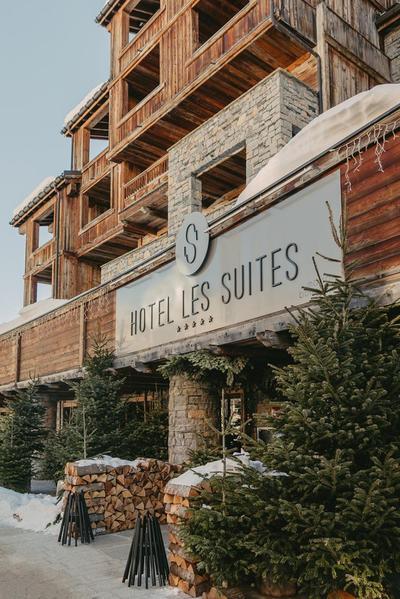
- Les Suites – Maison Bouvier (5-star · rated 9.5/10 · 60 reviews) — In Val Claret, heated pool and sauna alongside ski storage work for luxury travelers and families who want indoor recovery after skiing conditions change.
- Hôtel Le Levanna by Les Etincelles (4-star · rated 8.6/10 · 238 reviews) — On Montée du Rosset, ski-to-door access and hot tub/jacuzzi suit family trips where you may need easy returns between runs.
- Residence Denali (rated 9/10 · 73 reviews) — On Route du Rosset, family rooms, swimming pool, and hot tub/jacuzzi pair well with ski days when you want a comfortable base to reset.
- Grands studios vue sur lac (3-star · rated 9.4/10 · 81 reviews) — At Le palafour Place du lac, ski-to-door access, ski school, and equipment hire on site suit families and outdoor enthusiasts during snowfall.
- Hôtel VoulezVous by Les Etincelles (5-star · rated 9.4/10 · 35 reviews) — At 56 Boucle du Rosset, sauna and steam room alongside ski storage and concierge fit couples and solo travelers planning multiple ski sessions.
- Le Ski d'Or (4-star · rated 9.3/10 · 48 reviews) — On Val Claret, ski-in/ski-out access with ski storage and 24-hour front desk suits couples and families who want smooth resort day logistics.
- Residence Cap Neige (rated 8.7/10 · 100 reviews) — On Route du Rosset, ski storage with a swimming pool, sauna, and family rooms fits adventure trips where weather may keep you indoors between runs.
Common questions about skiing conditions in Tignes
Where should I start skiing in Tignes when the weather is unsettled?
Start from the base that gets you to the lift you plan to use fastest. Tignes le Lac is about 10 min on foot from Tignes Station de Ski, and Val Claret is about 9 min away, so you can switch plans quickly when wind or visibility changes. That saves time on a bad forecast day.
Is Val Claret or Tignes le Lac better for changing ski conditions?
Val Claret gives you quicker access to higher terrain, while Tignes le Lac works better as a central base. The two villages are about 20 min apart on foot, so you can move between them without losing a full morning. Use Val Claret for better snow; stay at Tignes le Lac when you want easier transfers.
When does the Grande Motte glacier help the most?
The Grande Motte glacier helps most when lower slopes soften, get tracked out, or turn patchy later in the day. Higher up, snow holds its shape longer and stays colder. It is the better choice early, before wind and cloud make the upper lifts awkward.
How do I know if lift status should change my plan?
Treat lift status as your first check after the forecast. If exposed lifts are delayed, slow, or closed, start lower and keep to sheltered pistes around the resort. When the wind drops later, move up then. That avoids queueing for a sector that may not open properly.
Which part of Tignes has the most hotels near the ski area?
Val Claret has the biggest cluster near the lifts, with 41 hotels within 500 m of the area. Tignes Station de Ski has 21 within the same range, and Tignes le Lac has 8 within 500 m. Pick Val Claret if you want the widest choice close to the snow.
A simple way to judge the day in Tignes
For skiing conditions in Tignes, check snow, wind and visibility first. Then read the avalanche bulletin, look at lift status, and choose higher ground at the Grande Motte glacier or stay in the resort below.