Amalfi
3 Days in Amalfi: Positano, Atrani & Spiaggia Grande
Planning three days on the Amalfi Coast
Three days is enough to see the best of the Amalfi Coast without changing hotels every night. Amalfi town works well as a base because ferries, buses and the historic centre are all close together, and most of the town is easy to cover on foot. From there, Atrani is a short walk away, while Positano and Ravello are realistic day trips. In high season the coast gets crowded, so timing matters: start early, keep afternoons light and plan one main outing per day.
This itinerary spends day 1 in Positano, day 2 in Amalfi town and neighbouring Atrani, and day 3 on the beach at Spiaggia Grande, with tips on where to stay, what to eat and how to get around in between.
Day 1: Discovering the charm of Positano

Start your day with a leisurely stroll through the streets of Positano, where every corner looks like a postcard. The pastel-coloured houses stacked against the cliffs create a kaleidoscope of colour in the morning light. As a family, we wandered hand in hand, stopping to admire the artisan shops filled with ceramics and delicate lace. A small bakery near the main square had us hooked on its lemon pastries.
For lunch, we found a restaurant perched on the cliffs with panoramic views of the sea. The kids were thrilled with their homemade pasta, while I enjoyed a refreshing Caprese salad. There is something special about eating outdoors with the sea breeze and the sun on your face. If you are planning a visit, book ahead: these spots fill up quickly.
After lunch, head to Fornillo Beach, Positano’s quieter alternative to the busy Spiaggia Grande. The kids couldn’t wait to splash about while I stretched out on a sun lounger with a good book. We spent the afternoon collecting shells and cooling off in the gentle waves, and as the sun set the sky turned a fiery orange: an unforgettable end to our first day.
Day 2: Amalfi town and Atrani

Morning in Amalfi: the Duomo, the cloister and the paper museum
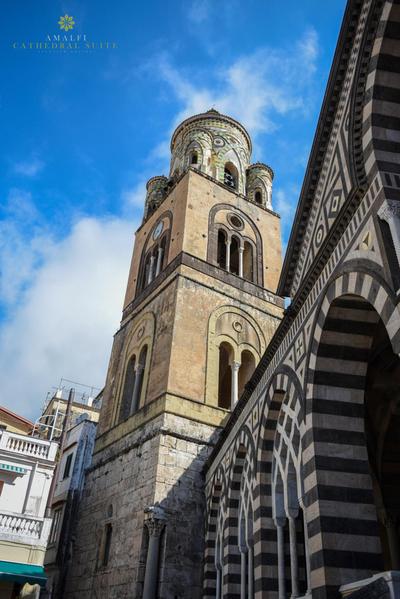
Start in Amalfi’s historic centre before the square fills with day-trippers, and keep the first stretch on foot. The Duomo di Amalfi anchors the town: the church square, the steps and the lanes around it give you the clearest sense of the place. Pair it with the Chiostro del Paradiso next door for a short visit that keeps the cathedral area compact, then continue to the Museo della Carta for context on Amalfi’s paper-making past. Together they make a half-day that stays easy, followed by a slow lunch in town rather than another sight.
Exploring Atrani’s alleyways
In the afternoon, walk over to Atrani, where the streets feel calmer and the sea views open up without much effort. Nestled away from the bustle, Atrani is like a little secret waiting to be discovered. We explored its narrow alleyways, marvelling at how local life unfolds in such a serene setting, and the children were fascinated by the tiny doors and windows. Look out for the church of Santa Maria Maddalena, its Baroque facade peeking out from behind the buildings. Our guide to what to do in Atrani has more ideas.
For an easy break, pack a picnic from a local deli: fresh focaccia, a few cheeses and juicy tomatoes. Atrani’s small beach is a lovely stretch where the kids can run free, collect pebbles and chase small crabs while you relax to the sound of the waves.
No day in Italy is complete without gelato, and we found a delightful gelateria just off the main square. With cones in hand, we climbed to a viewpoint over the coastline and watched the sun dip below the horizon, casting a golden glow over the sea. If you are based in Amalfi, it is an easy walk back for a late drink or a quiet look at the harbour.
Day 3: Relaxing at Spiaggia Grande
Spend your final day at Spiaggia Grande, Positano’s lively main beach. Pack a beach blanket, a sunshade, sunscreen and snacks to keep the little ones happy; we even brought a kite, which added a splash of colour to the sky. The beach is well equipped with facilities, making it a stress-free day out. If you would rather try somewhere different, our top 10 Amalfi Coast beaches lists the alternatives.
The kids couldn’t wait to try the water sports on offer. We rented a pedal boat and the whole family had a laugh navigating the gentle waves; for more adventure, there are options such as kayaking. Meanwhile, I took a moment to myself, floating on the calm sea.
As the day winds down, head to a beachside restaurant for a seafood dinner. The catch of the day was spectacular and the kids devoured their calamari. As the stars came out, we sipped limoncello and reflected on a trip well spent: the perfect end to three days on the Amalfi Coast.
Where to stay: family-friendly accommodation

Staying in Amalfi town
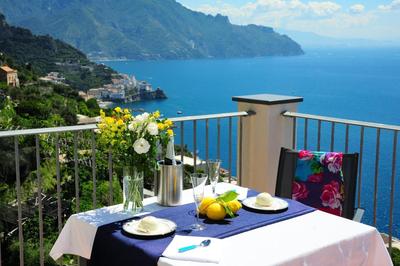
For a first stay, Amalfi’s historic centre is the easiest base: you can walk to the Duomo, the restaurants around the main square and the ferry pier without planning every move. If you want quieter nights and better sleep, pick the edge of town or a spot just uphill, where traffic and evening noise drop away. Families usually do better near transport and flatter streets, so luggage, strollers and late returns are less of a hassle. Couples often choose sea-view rooms, but they usually cost more and come with extra stairs.
Cosy villas in Positano
Finding the perfect place to stay in Positano can be as much an adventure as the trip itself. We opted for a cosy villa away from the main tourist drag, with views of the coastline. Villas are perfect for families, providing space for the kids to play and for the adults to unwind, and we loved having breakfast on our terrace while the town came alive each morning.
Beachfront hotels near Spiaggia Grande
For our stay near Spiaggia Grande, we chose a beachfront hotel, with the convenience of stepping straight out onto the sand. It was a dream for the kids, who could dash to the beach at a moment’s notice, and a pool was a hit with the whole family. It made the perfect base for our beach days.
Where to stay in Amalfi
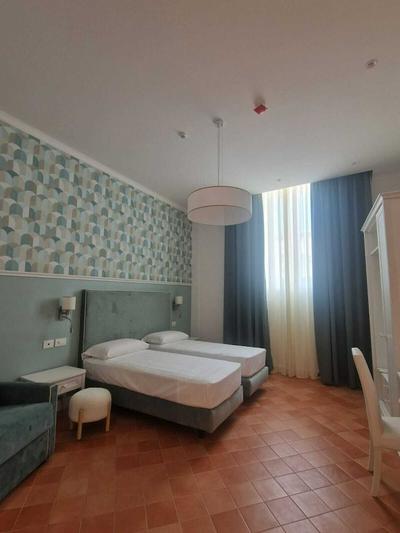
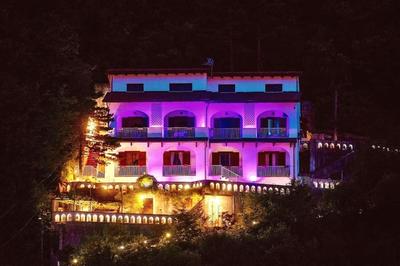
These hotels give you a base in and around Amalfi for the itinerary above. You can also compare all hotels in Amalfi by location and price.
- La Bambagina — a family-friendly hotel on Largo Duchi Piccolomini with soundproof rooms and a concierge.
- Palazzo Vitagliano — on Via Matteo Camera, with concierge and tour desk services for organised exploring.
- Hotel Miramalfi — a 5-star base on Via Quasimodo with a pool and restaurant.
- Hotel Santa Caterina — a 5-star property on the S.S. Amalfitana with a swimming pool and family rooms.
- Borgo Santandrea — a refined 5-star hotel with a swimming pool and family rooms, for a calm retreat.
- La Valle Delle Ferriere — a family-focused stay with spacious family rooms and a terrace.
- O’ Lattariello — pets allowed and a shared lounge, suited to family stays that include pets.
- World Center — a terrace and a free beach shuttle.
- Amalfi Blu Retreat — on Via Papa Leone X, with concierge service.
- Residenza Luce — family-oriented, with soundproof rooms.
- Residenza Sole Amalfi — in the historic centre near the main church, with a shared terrace.
- Hotel Residence Amalfi — a central location with panoramic sea views and breakfast on the terrace.
- Villa Guarracino Amalfi — Mediterranean-style rooms, a shared garden and a panoramic terrace.
- Donna Giulia Amalfi — rooms with a sea-view balcony; the beach is reached via 140 steps.
- Locanda Costa D’Amalfi — some rooms with a sea-view terrace, a few steps above the sea.
- Vista d’Amalfi — air-conditioned sea-view rooms with free WiFi.
- Sharon House Amalfi — spacious rooms with views over the town or the private garden.
- Villa Alba d’Oro — a historic villa with an outdoor pool with hydromassage jets.
- Hotel Villa Felice Relais — a sun terrace, sea-view rooms and free parking.
- Albergo S. Andrea — simple en-suite rooms with soundproofed windows.
- Hotel Fontana Amalfi — friendly service and a buffet breakfast.
- Residenza Pansa B&B — rooms with a panoramic balcony, most with sea views.
Tasting the Amalfi flavours

The safest local order is scialatielli ai frutti di mare, a pasta dish that usually arrives with shellfish and a light tomato or garlic sauce; spaghetti alle vongole, with clams, is another family favourite. Save room for delizia al limone, the lemon dessert that feels most like Amalfi, and finish with limoncello, made from the lemons that seem to grow everywhere here. Around the centre and the promenade, the best meals are often the plainest ones: grilled fish, pasta and a short wine list rather than a long list of specials.
Finding a place that welcomes families can be a challenge, but not on the Amalfi Coast. We found a charming eatery in Positano where the staff greeted us like long-lost relatives, with a menu for both picky eaters and adventurous little foodies, and even a small play area that gave us parents a few moments to relax.
To make the food side of the trip more interactive, we signed up for a cooking class for kids, held in a kitchen overlooking the sea. A local chef guided the children through making their own pizzas, and watching them knead the dough and add toppings with pride was a highlight of our trip.
Getting around: tips for families
Arriving by sea is often simpler than coming by road in peak season, especially if you want to avoid coastal traffic. Buses and ferries are the practical way to reach Positano and Ravello, though the timing can feel less flexible than you expect. We found the local SITA buses convenient and a bit of an adventure: they connect the main towns, so it was easy to hop between Positano, Amalfi and Atrani. Check the timetable in advance and get to the stop early, as seats fill up quickly. Taxis are useful for short transfers, but they are not the cheapest option. Our guides to getting around Amalfi by bus and visiting Amalfi without a car go into more detail.
For days when you want more freedom, hiring a car can be a game-changer. We chose a spacious vehicle for our luggage and beach gear. Driving the coastal road might seem daunting at first, but once you get the hang of it, it is rewarding, and we found ourselves stopping at quiet coves and cafés we might otherwise have missed.
Many streets on the coast are steep and stepped, so the stairs and slopes matter when you choose a hotel: a place with fewer steps can save a lot of effort. With a bit of planning, travelling with a toddler is entirely manageable. Positano’s Spiaggia Grande area is relatively flat for a stroll, and in Atrani we found a promenade where the kids could run free while we enjoyed a gelato. Bring a lightweight stroller that is easy to fold for the flights of stairs.
Souvenir shopping with a twist
Shopping in Amalfi is an adventure in itself. The local markets are full of handcrafted goods, from vibrant ceramics to delicate lace, and the kids were mesmerised by the artisans at work. One shopkeeper even let them try painting a small tile, a souvenir that now hangs proudly in our kitchen.
For a truly special memento, we visited a tiny workshop specialising in jewellery made from sea glass. The artisan explained how each piece was crafted from glass smoothed by the waves, and we couldn’t resist a matching set of bracelets, one for each of us.
Haggling might seem daunting, but it can be part of the fun. Start with a smile and a friendly chat; complimenting the craftsman on their work often opens the door to some good-humoured bargaining. You might not always get a big discount, but the stories and interactions are worth more than a few saved euros. For a cost breakdown, see is Amalfi expensive?
Frequently asked questions
Is Amalfi a good base for three days on the Amalfi Coast?
Yes. Amalfi’s historic centre is compact, ferries and buses are close by, and you can walk to most of the main sights. It also makes simple day trips to Atrani, Ravello and Positano without changing hotels every night.
What should I see in Amalfi town if I only have a morning?
Focus on the Duomo di Amalfi, the Chiostro del Paradiso and the Museo della Carta. They are close together and give you a clear feel for the town without wasting time in transit. If you still have energy, add a short walk to Atrani for a quieter change of pace.
Where should I stay in Amalfi for the easiest trip?
Stay in the historic centre if you want the simplest setup: you will be near the Duomo, restaurants and the ferry pier. If you want quieter nights, choose a place just uphill or on the edge of town, but expect more stairs.
What food should I try in Amalfi?
Order scialatielli ai frutti di mare, then finish with delizia al limone and a glass of limoncello. The best meals are usually straightforward: seafood, pasta and a short wine list.
How do I get around Amalfi and nearby towns?
Use ferries and buses for the easiest connections, especially to Positano and Ravello. The towns themselves are walkable, but the stairs and slopes matter when you choose a hotel. Taxis are useful for short transfers but are better as a backup than a daily solution.