Venice
Carnival in Europe: Where to Go and What to Expect
What carnival in Europe means
Carnival in Europe is not one event with one mood. Venice is about masks and formal dress, Cologne turns the streets into the main stage, Nice leans toward flower parades and procession watching, and Santa Cruz de Tenerife runs on warm-weather crowds and big costumes. That spread matters because the same word means very different things once you hit each city. In Venice, the point is often to look polished and anonymous at the same time. Cologne is louder, looser and built for moving crowds. Tenerife gives you scale, colour and heat, often all at once. If you want the right trip, start with the style, not the name.
Our picks at a glance
- Families Nice Carnival — A strong fit for families who want a colourful carnival with public parades and a straightforward city break.
- Adventure Santa Cruz de Tenerife Carnival — Best for travellers who want a high-energy island carnival with a more local, party-focused atmosphere.
How to choose the right carnival
Choose first by crowd size. Cologne and Santa Cruz de Tenerife can feel built for large public turnout, while Venice and Nice work better when you want a more controlled pace and clearer sightlines. That difference changes the whole day. A compact centre with a square or boulevard keeps you close to the action, but it also means you have less room to escape when the crowds build.
Then decide how you want to spend the day. Some carnivals are best in daylight, with parades, floats and family timing that ends before the late-night stretch. Others come alive after dark, with masks, music and a more adult rhythm. Venice rewards costumes and slower walking between spots. Cologne pushes you toward street energy and food, while Tenerife asks for stamina and time because the scale is larger and the nights run later.
Dates and formats vary by place, so the safer choice is to match the event to your own pace. If you want music and movement with children, pick the clearer daytime parade calendar. If you want costumes, late crowds and a city that stays awake, choose the places that lean into evening street celebrations.
Venice Carnival and masked balls
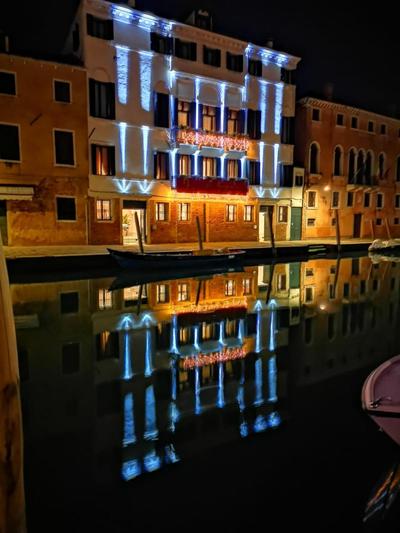
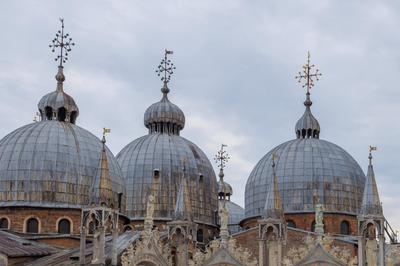
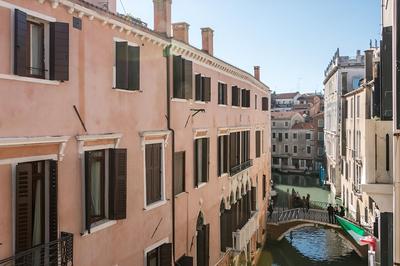
Venice is the classic face of Carnival in Europe, and the city itself shapes the mood. The Venice Carnival Museum sits in Palazzo Dolcetti, while St. Mark’s Square sits close enough to anchor the experience without turning the whole city into one big party zone. You get masks, wigs, capes, and costumes moving past canals and bridges, but the streets keep a quiet, formal pace.
That pace matters. In Venice, the public side of Carnival feels restrained compared with the spectacle of the costumes, so you notice the detail in the clothing, the slow steps, and the way people stop for photos rather than loud street noise. It works best for first-time visitors who want the traditional image of Venetian Carnival, especially if you care more about masks and formal dress than parades. If you want a loud street celebration, this is the wrong city; if you want the old carnival look, it fits neatly.
You should plan to stay central, because the strongest part of the experience is the walk between squares, bridges, and waterside lanes. Around St. Mark’s Square, the setting feels ceremonial rather than rowdy, and that is exactly the point here.
Cologne Carnival and street parades
Cologne Carnival starts on Weiberfastnacht at 11:11 a.m. and runs until the evening of Violet Tuesday. That gives you a clear street rhythm, not the formal masked atmosphere you get in Venice. The best-known day is Rosenmontag, when the parade stretches for around 8 kilometres and about 300 tonnes of sweets are thrown into the crowd.
Alter Markt is where the city’s energy turns up. People gather there for the noise, costumes, and chanting, and the mood feels local before it feels touristy. The crowds are part of the point, so Cologne works better if you want to stand in the street and follow a public celebration rather than watch a polished pageant from the side.
That difference matters when you choose between Carnival in Europe options. Cologne gives you open-air participation, a long parade day, and a city that treats the season as a shared event. Skip it if you want quiet viewing or formal dress; pick it if you want a big public party with a strong local identity.
Nice Carnival and flower parades
1. Nice Carnival
Best for: Floats, flowers and a coastal setting
Nice Carnival works best if you want Carnival in Europe with a seaside backdrop and a clear parade focus. The main action gathers around Place Masséna, where floats and flower events give the city a more open, Riviera feel than the narrow, enclosed centres of Venice or Cologne.
It is a good pick for families who want colour without all-night street drinking. You get a strong procession-watcher setup, not a maze of tiny lanes, and the city stays easy to read as a coastal break rather than a hard-edged party week. Around the entry, there are 2,526 hotels within 1500 m, with a median guest rating of 8.9/10, so the centre has plenty of stay options near the route.
Santa Cruz de Tenerife Carnival and island crowds
2. Santa Cruz de Tenerife Carnival
Best for: Large crowds, costumes and a warm-weather carnival
Santa Cruz de Tenerife Carnival is the biggest, loudest option here, with a warm-weather feel that changes the whole mood. Parque García Sanabria sits close to the public life of the city, and the island scale means the celebration feels broader and less contained than a mainland street parade.
This is the one for costume-heavy nights and big crowds that stay engaged well after dark. Around the entry, there are 1,828 hotels within 1500 m and a median guest rating of 8.8/10, so you still have a compact centre even when the event itself feels huge. If you want a more local, party-led carnival in Carnival in Europe, this is the sharpest choice.
What to plan before you go
Book a room in the central districts first. During Carnival in Europe, the busiest streets fill early, and staying close to the action means you can drop bags, change clothes and get back out without relying on long late-night transport. In Venice, Venice Marco Polo Airport is the nearest airport, about 8.5 km away in a straight line, about 11 km by road and about 10 min by car, so arrival is straightforward, but rooms near the centre go quickly. On parade days, get to viewing spots well before the main flow starts and keep a back-up route in mind, especially where streets narrow or bridge crossings bottleneck people. Light layers work better than heavy costumes, because you will be walking, standing and waiting. Check this year’s dates and opening hours on Venice Carnival Museum before you lock in trains, flights and hotel nights.
Why carnival traditions differ by country
Carnival in Europe comes from the same old calendar pattern, but each city has pushed it in a different direction. Venice keeps the masked-ball tradition alive, with formal dress, face coverings and a slower pace that makes the evening feel separate from the street outside. Cologne turns the season into a parade-first event, with public dressing-up, satire and loud street movement taking over the centre. Nice puts more weight on floats and flower work, so the show is built for watching procession after procession. Santa Cruz de Tenerife leans into island-scale street energy, with costumes, music and long nights shaped by warm weather and local pride. Food, masks, jokes and crowd rituals appear everywhere, but the balance changes with Catholic custom, city layout and local civic habit. That is why the same festival name can feel completely different from one country to the next.
Where to stay in Venice
Hotels in Venice that fit this guide:
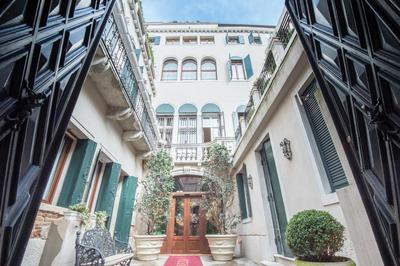
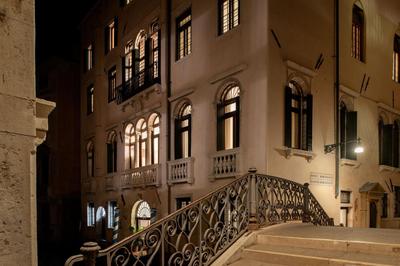
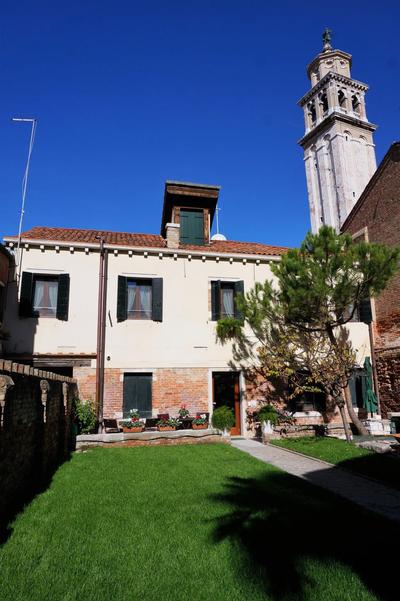
- Ca' Bonfadini Historic Experience (5-star · rated 10/10 · 1000 reviews) — In Venice, this family-and-couple focused historic hotel at Fondamenta Savorgnan suits carnival trips, with family rooms, sauna, and concierge help between festivities.
- Hotel Ai Cavalieri di Venezia (4-star · rated 10/10 · 670 reviews) — Hotel Ai Cavalieri di Venezia in Venice works for families attending carnival, with family rooms, a terrace, wheelchair access, and concierge service.
- Rosa Salva Hotel (3-star · rated 9.8/10 · 2755 reviews) — Rosa Salva Hotel on San Marco suits families planning Venice carnival stays, offering family rooms, concierge service, and air conditioning.
- Palazzina Fortuny (rated 9.8/10 · 818 reviews) — Palazzina Fortuny on Rio Terà della Mandola suits calm carnival planning, with family rooms, room service, and concierge support for a quieter stay.
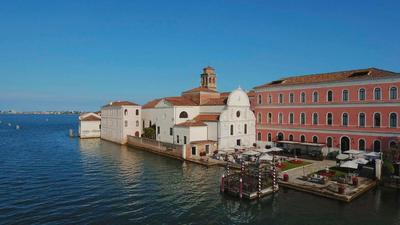
- San Clemente Palace Venice (5-star · rated 10/10 · 384 reviews) — San Clemente Palace Venice on Isola Di San Clemente suits families and couples for carnival time in Venice, with a pool, hot tub, sauna, and dining.
- Hotel Moresco (4-star · rated 9.8/10 · 1292 reviews) — Hotel Moresco at Dorsoduro 3499 fits carnival-goers who travel with pets or families, with pets allowed, shared lounge, and room service.
- Hotel Le Isole (3-star · rated 9.6/10 · 1083 reviews) — Hotel Le Isole in Campo San Provolo – Castello 4661 suits families and pet owners for carnival in Venice, with terrace, family rooms, and lifts.
- La Veneziana Boutique Rooms (rated 9.6/10 · 1123 reviews) — La Veneziana Boutique Rooms offers an adult-only Venice base for carnival visitors, with air conditioning and internet access for planning outings.
- Radisson Collection Hotel, Palazzo Nani Venice (5-star · rated 9.6/10 · 914 reviews) — Radisson Collection Hotel, Palazzo Nani Venice suits families visiting Venice for carnival, with family rooms, restaurant, sauna, and wheelchair accessible facilities.
- Santa Croce Boutique Hotel (4-star · rated 9.8/10 · 1012 reviews) — Santa Croce Boutique Hotel on Campo Nazario Sauro suits carnival travelers in Venice needing downtime, with hot tub, shared lounge, and spa/steam facilities.
Common questions about carnival in Europe
What is a carnival in Venice?
Venice Carnival is the city’s masked celebration, centred on formal dress, masks and slower public movement rather than street parades. The Venice Carnival Museum sits in Palazzo Dolcetti, and St. Mark’s Square is part of the experience without turning the whole city into one loud event.
What is Carnival in Cologne, Germany?
Cologne Carnival starts on Weiberfastnacht at 11:11 a.m. and runs until the evening of Violet Tuesday. The biggest street moment is Rosenmontag, when the parade stretches for around 8 kilometres and about 300 tonnes of sweets are thrown.
What airport do I fly into for Cologne, Germany?
Venice Marco Polo Airport is the nearest airport in the fact sheet for Cologne Carnival, about 8.5 km in a straight line, about 11 km by road and about 10 min by car. That makes arrival simple, but you still want to stay near the centre if you plan to follow the street events.
What are the different types of Carnival events?
Carnival in Europe usually falls into four clear types here: masked balls in Venice, street parades in Cologne, flower parades in Nice, and island-scale costume nights in Santa Cruz de Tenerife. The format changes the day completely, so choose the one that matches how you want to move, watch and stay out late.
Where is Carnival in the world?
Carnival is not just one place; in Europe it shows up in cities like Venice, Cologne, Nice and Santa Cruz de Tenerife. Those four give you very different versions of the same tradition, from formal masks in Venice to large public crowds on Tenerife.
Which carnival fits your trip
Choose Venice if you want masks and a slower, more formal street scene. Pick Cologne for a city parade with direct energy and easy street-level viewing. Nice works better if you want Carnival in Europe with a coastal setting and a lighter day-out feel, while Santa Cruz de Tenerife delivers the biggest crowd energy and the strongest costume culture.
For a short trip, match the city to your pace: Venice for detail, Cologne for action, Nice for promenade views, Tenerife for scale. The atmosphere changes a lot from one place to the next, but the rule stays simple: follow the mood you want, not the biggest name.