Gran Canaria
Spain Weather Gran Canaria: Month-by-Month Conditions
What Spain weather Gran Canaria feels like
Gran Canaria usually feels mild rather than hot, with a current feels-like temperature of 22°. The big thing to plan around is not cold, but sun: UV is 9, which is very high, so shade matters from 11am to 3pm. That makes Spain weather Gran Canaria easy to use for a short beach break, but it also means you need to think about time of day, not just the month.
This guide breaks the island down by season, month and area so you can decide where to stay, when to go out, and what to pack. On Gran Canaria, the coast, inland slopes and higher ground do not behave the same way, so the useful forecast is the one tied to the part of the island you actually want to visit.
Why Gran Canaria’s climate changes by area
Gran Canaria’s weather changes because the Atlantic trade winds hit the island from one side, then have to move over mountains and ridges. That creates microclimates that can shift quickly over a short drive: one area stays clear, another picks up cloud, and a higher valley feels cooler straight away. The Atlantic Ocean softens those swings, so you get fewer sharp extremes than on inland mainland Spain.
The practical result is simple. The south is often sunnier and drier because it sits more in the wind shadow, while the north and the higher interior get more cloud, more moisture and less heat. Las Palmas de Gran Canaria can feel different from Maspalomas on the same day, and Tejeda feels cooler again because of the height. If you want beach weather, stay low and south. If you want walking weather, go inland early and expect it to feel noticeably fresher than the coast.
That matters when you plan a day out. A coast morning can turn into a warmer inland afternoon, and the other way round on a windy day, so you should match your route to the part of the island you are using rather than treat the whole island as one forecast.
Gran Canaria weather by season
Spring is the easiest season for Spain weather Gran Canaria planning. Daytimes stay warm enough for beaches, but the air is usually less heavy than in late summer, so you can mix a coast day with a longer walk in Las Palmas de Gran Canaria or a drive into the hills without feeling drained. The trade-off is that water and evenings can still feel cooler than you expect after sunset.
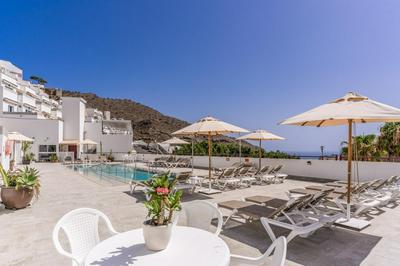
Summer brings the steadiest dry weather and the strongest sun. On the south coast around Maspalomas, beach days work well because rain is rare and the sea stays calm enough for long swims, but inland areas heat up faster and sightseeing can feel tiring by midday. Plan early starts, then keep the middle of the day for shade or a long lunch.
Autumn keeps the warm water and long light, but the weather becomes a little less settled, especially on northern and higher routes. This is a good time for couples who want warm evenings without peak-summer heat, and for walkers who prefer clear mornings before cloud builds later. If you want the most relaxed beach conditions, choose sheltered south-facing stretches rather than exposed coast.
Winter is the most useful season if you want walking and sightseeing over long beach days. Coastal places still feel mild, yet the contrast with inland areas is sharper, and the air can turn breezier on exposed roads and viewpoints. For families, winter suits mixed itineraries because you can spend part of the day outside without the stronger summer sun, but swimming and full-day sunbathing are less reliable than in summer.
Month-by-month weather in Gran Canaria
| Month | What travellers usually feel | Practical use |
|---|---|---|
| January | Mild coast, cooler evenings, steadier sightseeing weather | Good for city days and inland drives |
| February | Similar to January, with comfortable daytime weather | Works well for walking and short beach stops |
| March | Warmer afternoons, still pleasant mornings | A strong month for mixed plans |
| April | More settled spring weather, lighter layers still useful | Good balance for coast and hills |
| May | Dry and warmer, with long usable days | Beach time starts to feel easier |
| June | Hotter and sunnier, especially away from the coast | Start hikes early and keep afternoons light |
| July | Hottest inland conditions, strongest sun | Best for beach days, not long walks at midday |
| August | Very warm, dry, and steady on the coast | Choose shade and early starts |
| September | Warm sea, slightly softer heat than August | One of the easiest months for couples |
| October | More changeable, with rain sometimes appearing in the afternoon | Good if you want warmth without peak heat |
| November | Milder again, with cooler nights | Useful for sightseeing and hiking |
| December | Comfortable daytime weather, cooler evenings | A balanced month for first-time visitors |
North, south and inland: where weather feels different
Spain weather Gran Canaria changes fast over a short drive. On the coast in Las Palmas de Gran Canaria, the Atlantic Ocean and the Atlantic trade winds often bring more cloud and a firmer breeze than you get in the south. That matters if you want a beach day that feels warm without being blown around.
Maspalomas in south Gran Canaria usually gives you the steadiest sun and the driest feel, so it suits a classic pool-and-beach plan. Tejeda and Roque Nublo sit inland, where the air feels cooler and the weather can turn from calm to exposed much more quickly. If you drive up for lunch in the sun and back down for dinner, pack for a real change in wind and temperature, not a small one.
That split is useful when you plan a first trip. Stay by the coast if you want easier beach time and shorter weather decisions. Go inland only when you are ready for cloud, shade and a slower pace, because the same day that feels fine in Maspalomas can feel much fresher around Tejeda.
The best time to visit Gran Canaria for your plans
Spain weather Gran Canaria works best when you match the place to the plan, not when you look for one perfect month. Families usually do better on calmer days by the coast, especially in Las Palmas de Gran Canaria or Maspalomas, where you can keep the day simple if wind picks up. Couples who want warmer, softer evenings should lean toward shoulder-season travel, when the heat is easier to enjoy without building the whole day around it.
For hiking, treat Roque Nublo as the decision point. The walk from Tejeda is about 45 min on foot, so you want a day with settled weather rather than strong gusts or a sharp inland change. Start early, finish before the middle of the day, and save the coast for later if the hill feels too exposed.
For sightseeing, the best choice is the one that keeps travel flexible. A stay near Santa Catalina bus station gives you an easy base for city plans with 216 hotels within 500 m and a median guest rating of 8.7/10, while Tejeda suits people who want to wake up close to the mountains, with 28 hotels within 500 m and a 9.4/10 median rating. Pick the base that matches your weather tolerance: coast for comfort, inland for views, and the south when you want the most reliable sun.
What to pack for Gran Canaria weather
Pack light layers, swimwear, and a warmer layer for evenings or higher elevations, because Spain weather Gran Canaria changes more between coast and interior than many first-time visitors expect. A day on the beach and a walk up to Tejeda can call for different clothes in the same trip. Bring strong sun protection, sunglasses, and a hat, then build shade into your day. The forecast can also turn breezy, with a max gust of 27mph from NNE and another reading of 23mph from NNE, so a light windproof layer helps on exposed promenades and mountain roads.
Where to stay in Las Palmas de Gran Canaria
Hotels in Las Palmas de Gran Canaria that fit this guide:
- Chez Abel (rated 9.2/10 · 1569 reviews) — A family-friendly base in Las Palmas de Gran Canaria, with family rooms and lift access, suits travelers planning beach days and city exploring.
- Marina Bayview Gran Canaria – Adults Only (4-star · rated 9.1/10 · 293 reviews) — An adults-only 4-star option with a swimming pool, hot tub, and sauna suits travelers seeking calm downtime while staying in Las Palmas.
- Casa Doramas (3-star · rated 9.6/10 · 21 reviews) — A residential, 3-star hotel with a rooftop terrace suits travelers who want a quieter day-to-day stay near Las Palmas.
- Casa Doranda Vegueta (rated 9.3/10 · 305 reviews) — A non-smoking bed and breakfast in Vegueta suits travelers who want to move on foot, with terrace space for downtime.
- Hotel LIVVO Lumm (4-star · rated 9/10 · 80 reviews) — A 4-star hotel in the active coastal area suits travelers who want an on-site pool setup, with WiFi and accessible restaurant seating.
- Hotel MG Poniente (3-star · rated 9.4/10 · 23 reviews) — A straightforward 3-star base with free WiFi and elevator access suits city explorers, with practical check-in via limited front desk hours.
- Off Triana (rated 9.7/10 · 112 reviews) — A small, family-friendly stay with terrace space and lifts suits travelers balancing casual city exploring with easy beach days in Las Palmas.
- Hotel The Cathedral Vegueta (3-star · rated 9.4/10 · 20 reviews) — A 3-star stay in Vegueta’s historic heart suits travelers wanting concierge help, wheelchair accessibility, and a beach shuttle on request.
- Kite & Surf Nomad House (rated 8.8/10 · 785 reviews) — A practical guest house with a shared kitchen and terrace suits active travelers who like downtime between days, supported by free wired internet.
- Hostel Gran Canaria (1-star · rated 9.4/10 · 16 reviews) — A 1-star budget hostel with free breakfast and free WiFi suits travelers wanting a simple recharge in Las Palmas, with terrace and concierge help.
Common questions about Gran Canaria weather
Is it warm in Gran Canaria right now?
Yes. The current feels-like temperature is 22°, so it feels mild rather than hot. UV is 9, which is very high, so sun protection matters even when the air does not feel extreme. Plan shade from 11am to 3pm and keep a light layer for breezier spots.
What's the hottest month in Gran Canaria?
July is the hottest inland month, with August also very warm, dry, and steady on the coast. That is why beach plans work best then, while long walks in interior Gran Canaria feel tougher by midday. If you want easier sightseeing, spring and winter are less demanding.
How do you say hello in Gran Canaria?
In Gran Canaria, you say “hola”. It is the standard hello in Spain and on Gran Canaria, whether you are speaking in Las Palmas de Gran Canaria, Maspalomas, or inland places like Tejeda. Use it when you enter shops, cafes, or ask for directions.
What is the temperature in Gran Canaria for the next 2 weeks?
The forecast you have here does not give a two-week temperature range, but the current feels-like temperature is 22°. For planning, watch the day you are visiting: Gran Canaria stays mild overall, yet UV is 9 and the midday sun is the main thing to manage.
When is the best time to visit Gran Canaria?
Spring and winter are the easiest seasons for mixed plans, with mild coast weather and more comfortable sightseeing inland. Summer suits beach days in south Gran Canaria, especially Maspalomas, while autumn works well for warmer evenings. Choose the season that matches your plans, not one perfect month.
How to use the forecast when planning a trip
Use Spain weather Gran Canaria by area, not by one island average. Check midday heat and UV before planning outdoor time, then match the forecast to the coast or the interior. Gran Canaria stays mild year-round, but the right choice for Las Palmas de Gran Canaria is not always the right one for Tejeda or Roque Nublo.