Madrid
Madrid Area: Neighbourhoods, Language and Region
What the Madrid area means
The Madrid area means Madrid city, the Community of Madrid around it, and the central districts most travellers use as a base. Madrid sits in Spain, and this guide covers what the city means on the ground, which neighbourhoods make sense, how English works in daily life, and how many cities are in the wider region.
Start with Sol if you want the tightest central address. Puerta del Sol puts you by the main square and the short walk to Barrio de Las Letras, while Retiro gives you easier access to Retiro Park and the Paseo del Prado y El Retiro World Heritage area.
That split matters. Sol is the practical centre for first-time stays and quick connections, while Retiro is calmer and works better when you want more space near the park. The rest of the article keeps that distinction clear, so you can match the Madrid area to the kind of trip you actually have.
In what country is Madrid located?

Madrid is in Spain, in the centre of the country, not in a separate nation. The city sits inside the Community of Madrid, which is the regional layer above it. For a visitor, that means one city break in Madrid can still connect easily to the wider region without changing countries or dealing with a border.
Use that distinction carefully. Madrid is the city you walk through, book in, and base yourself in. The Community of Madrid is the larger administrative area around it, which matters when people talk about the Madrid area, transport, or day trips.
If you only need the simple answer, keep it this way: Madrid is a city in Spain, and the Community of Madrid is the region it belongs to. That clears up most confusion before you start choosing between the central districts and the wider area.
What are the best neighbourhoods to visit in Madrid?
The best neighbourhoods to visit in Madrid are Sol, Barrio de Las Letras, Chueca, Malasaña and Retiro. Sol works best for a first stay, Barrio de Las Letras gives you cafés and museums within easy reach, Chueca and Malasaña make sense for later evenings, and Retiro is the quiet pick beside the park. Choose by pace, not by postcode.
Puerta del Sol is the clearest place to start. Within 500 m, there are 1,128 hotels and the median guest rating is 8.4/10 over 635 properties with at least 20 reviews, so you have real choice without drifting away from the centre. The best-rated names in that zone with at least 100 reviews are UMusic Hotel Madrid and Room Mate Collection Alba, Madrid, both on 10/10. Pick Sol if you want the easiest short-stay base, then walk to Barrio de Las Letras in about 7 min and keep the day simple.
Barrio de Las Letras has a slower feel. It sits about 20 min on foot from Retiro Park, which matters because you can move from tapas streets to trees without using transport. Around it, there are 808 hotels within 500 m and the same 8.4/10 median for places with at least 20 reviews, so you are not short of options. This is the better choice for a central stay with more café life than Sol, and it works better than Malasaña if you plan early museum mornings.
Chueca and Malasaña make more sense for evenings than for a museum-first trip. Chueca is the cleaner bet if you want bars, design shops and an easy walk back into the centre, while Malasaña is looser and later, with more late-night noise to accept. Both are a poorer fit than Sol or Barrio de Las Letras if you want to step out and be near the main sights by breakfast.
Retiro is the quietest of the main choices and the one to pick if green space matters more than late-night food. Retiro Park is open every day, entry is free, and the park opens from 06:00 to 0:00 h from April to September, then from 06:00 to 22:00 h from October to March. That gives you an easy early start or a late walk, but it is not the right base if you want bars on the doorstep.
Is English widely spoken in Madrid?
English is common in central Madrid hotels, at major museums and on airport or train services, but it is not something to count on everywhere in the Madrid area. Spanish still matters most for ordering, asking directions and handling everyday questions outside the main tourist strip.
Front desks, taxi ranks and larger cafés usually cope well with basic English. On a menu in a side street, at a pharmacy, or when you need a simple change to a train ticket, a few Spanish words save time and reduce confusion.
Keep it simple: hola, por favor, gracias, and the name of what you want. Staff in busier parts of the centre often switch to English quickly, but a clear sentence in Spanish gets you further once you leave the obvious tourist addresses.
How many cities are in Madrid?
One city sits behind the name Madrid. The Community of Madrid is the wider region around it, and that is what people usually mean when they ask about cities in the Madrid area. Do not mix up the city of Madrid with the region that contains it.
The region includes many separate municipalities, so places such as Alcalá de Henares and Aranjuez are not part of Madrid city itself. Use the city name for the centre, and the Community of Madrid when you mean the larger administrative area.
That distinction matters when you plan transport, hotel searches and day trips. A booking in Madrid city puts you in the capital; a place elsewhere in the region can work well, but it is a different address entirely.
How to choose the right area for your trip
For a short trip, stay central and use the centre as your base. Puerta del Sol puts you close to the main pedestrian streets, while Retiro gives you a calmer edge without leaving Madrid. Retiro Park sits about 20 min on foot from Madrid Puerta de Atocha – Almudena Grandes, and Puerta del Sol is about 30 min away, so both work well when you want easy rail access and simple cross-town moves.
If your plan is museum time and quick arrivals, Atocha is the most practical choice. There are 106 hotels within 500 m of Madrid Puerta de Atocha – Almudena Grandes, and the best rated there with at least 100 reviews is SLEEP’N Atocha – B Corp Certified, alongside Only YOU Hotel Atocha, both with 9.6/10. That cluster gives you the strongest transit convenience, and it is the smartest pick for early trains or a first night after landing.
For nightlife and a busier street pattern, choose Puerta del Sol or Barrio de Las Letras. Sol works best when you want late dinners, quick walks and the easiest bearings on a first visit. Barrio de Las Letras is about 7 min from Puerta del Sol and about 20 min from Retiro Park, so it also gives you a little more calm once you step away from the main square.
Families and slower trips usually do better near Retiro or Atocha, where movement is simpler and you can break the day around the park. Repeat visitors often move farther into Chueca or Malasaña, then use the centre only when they need it. That choice cuts down on cross-town travel, and it keeps you close to the parts of the Madrid area you will actually use.
Where to stay in Madrid
Hotels in Madrid that fit this guide:
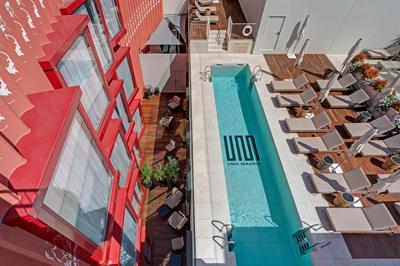
- UMusic Hotel Madrid (5-star · rated 10/10 · 4553 reviews) — On Calle de la Paz, UMusic Hotel Madrid suits Madrid explorers who want a 5-star base with a swimming pool, restaurant and concierge service.
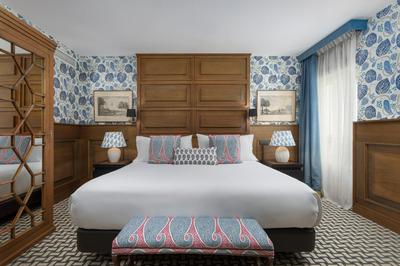
- Room Mate Collection Alba, Madrid (4-star · rated 10/10 · 3414 reviews) — Room Mate Collection Alba on Calle de las Huertas fits travelers drawn to a literary and dining quarter, with air conditioning, lift and concierge.
- T-Homes – Cuenca (rated 10/10 · 1280 reviews) — T-Homes – Cuenca on Calle Cuenca is an adult-only, quiet option, especially if you prefer minimal fuss with lift, free wired internet.
- Artrip Hotel (2-star · rated 10/10 · 1004 reviews) — Artrip Hotel on Valencia 11 works for families needing a simple base, with air conditioning, shared lounge/TV area and family rooms.
- Hotel Montera Madrid, Curio Collection By Hilton (5-star · rated 9.8/10 · 813 reviews) — Hotel Montera Madrid on Calle Montera is suited to those seeking a central base, supported by a swimming pool, terrace, concierge and wheelchair access.
- ARTIEM Madrid (4-star · rated 9.8/10 · 2503 reviews) — ARTIEM Madrid on Juan Perez Zuñiga, 20 suits travelers who want calm while still reaching highlights quickly, with terrace and wheelchair accessible lift.
- MAD Apartments by Olala Homes (rated 10/10 · 1097 reviews) — MAD Apartments by Olala Homes on Calle de Modesto Alonso is a good fit for self-catering stays, with air conditioning, lift and free wired internet.
- SLEEP'N Atocha – B Corp Certified (2-star · rated 9.6/10 · 8997 reviews) — SLEEP'N Atocha on Doctor Drumen suits families wanting an efficient, no-fuss base, with air conditioning, family rooms and shared lounge/TV.
- Barceló Imagine (5-star · rated 9.6/10 · 3219 reviews) — Barceló Imagine on Agustin de Foxa supports both sightseeing days and quieter evenings, with a swimming pool, sauna, terrace and concierge.
- CoolRooms Palacio de Atocha (4-star · rated 9.8/10 · 1187 reviews) — CoolRooms Palacio de Atocha on Calle de Atocha fits museum and transport-focused trips, offering a swimming pool, terrace, concierge and shuttle service.
Quick questions about the Madrid area
In what country is Madrid located?
Madrid is in Spain, inside the Community of Madrid. That means the city and the wider region are different things, even though people often use “Madrid area” for both. For a visitor, the useful split is simple: Madrid is the city you stay in, and the Community of Madrid is the region around it.
What are the best neighbourhoods to visit in Madrid?
For a first stay, Sol, Barrio de Las Letras, Chueca, Malasaña and Retiro are the strongest names to know. Sol gives you the most central base, Barrio de Las Letras keeps you close to cafés and museums, Chueca and Malasaña lean later, and Retiro is quieter beside the park.
Is English widely spoken in Madrid?
English is common in central hotels, major museums and airport or train services, but not everywhere in the city. Outside the main tourist areas, Spanish still does the heavy lifting. A few basic words help a lot, especially in smaller cafés, pharmacies and when you need simple transport help.
How many cities are in Madrid?
Madrid is one city. The Community of Madrid is the larger region around it, and that is where the confusion usually starts. When you see places such as Alcalá de Henares or Aranjuez, you are looking at separate municipalities in the region, not parts of Madrid city itself.
What are the best neighbourhoods to stay near for easy rail access?
Atocha is the most practical area for rail links. Retiro Park is about 20 min on foot from Madrid Puerta de Atocha – Almudena Grandes, Barrio de Las Letras is also about 20 min away, and Puerta del Sol is about 25 min on foot. That keeps the centre close without giving up transport ease.
A simple way to narrow down Madrid
Choose by pace, not labels. Madrid is in Spain, the centre is where most visitors base themselves, and English helps without replacing Spanish. Sol and Retiro are different, so pick the one that fits your days. For the broadest reach in the Madrid area, stay central; for quieter mornings, move toward Retiro or Atocha instead overall.