Palma
Palma de Mallorca: What to Do, Where to Stay
Where is Palma de Mallorca located?
Palma de Mallorca is about 8 kilometres from Palma de Mallorca Airport, and the city centre is on the coast of Palma Bay on Mallorca in Spain. It is the island’s main city, not a base for island hopping.
You get the seafront and the historic core in one place, with Palma Old Town close to the harbour side and the city spreading inland from there.
Where to stay in Palma de Mallorca:
- Hotel Can Cirera (4-star · rated 9.8/10 · 1249 reviews) — Great for travelers who want a historic-core base on Carrer del Palau Reial, with a terrace and lift for easy movement.
- Es Princep – The Leading Hotels of the World (5-star · rated 9.8/10 · 1327 reviews) — Well suited to those planning both sightseeing and relaxed evenings in Palma, with a pool, hot tub, and on-site dining options.
- Casa Delmonte – Turismo de Interior (rated 9.8/10 · 582 reviews) — Fits readers looking for a quieter adult-only stay on Carrer de les Tereses, backed by an included Japanese garden and terrace.
- Can Blau Homes Turismo de Interior (2-star · rated 9.4/10 · 280 reviews) — Ideal for a practical Old Town base near lively streets, with internet access and an aparthotel setup for a flexible stay.
- Hotel Aubamar Bali – New Opening 2025 (4-star · rated 10/10 · 411 reviews) — Fitness facilities, free wifi, 24-hour front desk.
- Son Serra II (rated 8.7/10 · 8 reviews) — Best for families wanting Son Serra area calm and beach time together, supported by air conditioning, terrace space, and family rooms.
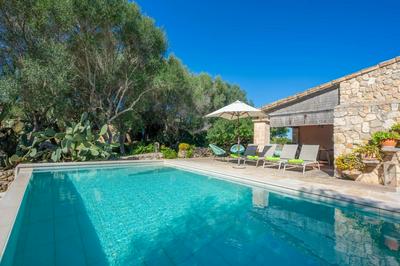
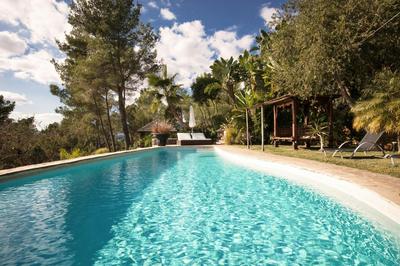
- Villa Sa Fonera (rated 10/10 · 1 reviews) — Works well for guests doing island road trips from Carretera Santa Margalida, with a pool, terrace, and Japanese garden for downtime.
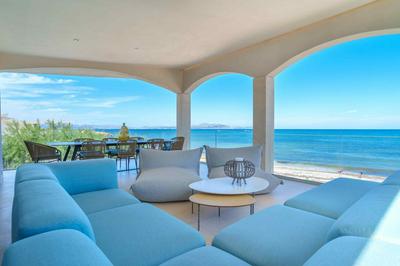
- C251 Ram de Mar CR by Mallorca Villa Selection (rated 8/10 · 1 reviews) — A solid pick for beach-focused plans from den Provensals, with a swimming pool, terrace, and beach toys for families.
What is Palma de Mallorca known for?

Palma de Mallorca is known for La Seu Cathedral, the old streets around it, and a city centre that reaches down to the waterfront. The old core, cafés, marina feel, and easy access to the sea are the main draw.
People come for the compact historic centre, lunch or dinner near the harbour, and a city break that feels walkable without giving up beaches and the coast.
Is Palma de Mallorca worth visiting?

Yes. Palma de Mallorca works well for a short break because the main sights sit close together, so you can link the cathedral, old streets and seafront without spending much time in transit. It suits you most if you like walking, pausing for coffee, and keeping plans simple.
The city rewards slow movement rather than a packed list. You can cover the core areas on foot and still leave room for a long lunch or an evening by the water.
What are the best things to do in Palma de Mallorca?

Open at La Seu Cathedral, where the ticket desk is open from 10:00 to 17:15, then keep the rest of the day on foot. The strongest sights sit close together, so you can pair the cathedral, old streets and the Born without wasting time on transfers.
- La Seu Cathedral: go early enough to get your ticket without rushing, then step back outside and walk the nearby streets around the cathedral quarter.
- Palma Old Town: stay in the lane network around the cathedral and the old centre, where the main landmarks are close and the route is easy to follow on foot.
- Passeig del Born: use it as the main central stroll, especially in the late afternoon when you want a straight, easy walk between the old centre and the cafés.
- Bellver Castle: go for the skyline views over Palma Bay and the city roofline; it is the one stop here that changes the angle on the city.
- Santa Catalina: come here for food and evening plans, with a more local dining feel than the cathedral area and an easy move into dinner after a day of walking.
Is Palma de Mallorca safe for tourists?
Palma feels straightforward in the busy centre, but you should keep an eye on bags in the main streets and on café terraces. Stick to normal city habits, and after dark use the taxi rank in the arrivals area at Level 0 rather than waiting around for a street cab.
The centre is busy, not risky in itself. Pickpockets are the main issue, especially where people slow down near Palma Old Town and Passeig del Born.
How many days do you need in Palma de Mallorca?
One day covers the basics: La Seu Cathedral, a walk through Palma Old Town, and a short stop on Passeig del Born. Two nights gives you breathing room for a slower meal, a seafront pause, and less rushing between sights.
Add another half day if you want Bellver Castle, or a longer evening in Santa Catalina. That extra time matters more than squeezing in more stops, especially if you plan Palma as a base for a wider Majorca trip.
What is the best time to visit Palma de Mallorca?
Late spring and early autumn are the easiest times for Palma de Mallorca: the streets are more comfortable for walking, and you avoid the hardest summer crowds. Summer is better if you want sea time and long evenings, while winter is the quietest choice for empty streets and lower hotel rates.
How expensive is Palma de Mallorca?
Palma de Mallorca can be reasonable or expensive depending on where you stay. Hotels around Palma Old Town and Passeig del Born usually sit at the top end, while Santa Catalina and the rail station area are often easier on the budget. Airport transport adds a clear extra cost, especially by taxi.
From Palma de Mallorca Airport, the city is about 8 km away, so the ride is short but not free of supplements. Bus line 1 is the cheaper option: it runs often, costs less than a taxi, and gets you into town without the airport surcharge and minimum fare that taxis apply.
Where should you stay in Palma de Mallorca?
Base yourself in Palma Old Town for a first visit. It puts you within a short walk of La Seu Cathedral, Passeig del Born and the main old streets, so you spend less time crossing the city and more time on foot.
For central dining and an easy evening walk, look at Passeig del Born. It sits between the cathedral side of town and the older streets, so you can step out for dinner without needing a taxi back.
Santa Catalina works better if you plan to stay out later. It has a more local restaurant feel and a practical edge for longer evenings, but you trade away some of the historic-centre convenience.
The rail station area is the sensible choice if transit matters most. It gives you quicker access when you are arriving, leaving, or planning day trips, though it is less pleasant than the centre for an aimless wander after dark.
Image plan
| Shot | What to show |
|---|---|
| Cathedral exterior | Palma de Mallorca cathedral façade and palm-lined square at golden hour. |
| Old town street scene | Palma de Mallorca old town street with stone buildings and balconies. |
| Bellver skyline view | Bellver skyline view over Palma de Mallorca, the bay, and the city coast. |
| Born evening walk | Palma de Mallorca’s Passeig del Born after dusk, with café terraces and people walking. |
Common questions about Palma de Mallorca
What language is spoken in Palma de Mallorca?
Spanish and Catalan are the main languages in Palma de Mallorca. You will hear Spanish most often in shops, cafés and taxis, with Catalan also used on signs and in everyday speech across Mallorca.
What currency is used in Palma de Mallorca?
The euro is the currency in Palma de Mallorca. Card payment is widely accepted in the city centre, though small purchases and some bus fares are still easier with cash or contactless.
Does Palma de Mallorca have good beaches?
It does. Palma sits on Palma Bay, so you can combine the city with the coast without leaving town. The best-known appeal is the mix of waterfront time, historic streets and easy access to the Mediterranean Sea.
Is Palma de Mallorca walkable?
Very. The main sights sit close together, especially Palma Old Town, La Seu Cathedral and Passeig del Born, so you can cover the centre on foot without spending much time on transport.
How do you get from Palma airport to the city center?
Bus line 1 runs every 12-15 minutes and takes about 25-30 minutes to reach Palma city centre. A single ticket costs €5, while taxis add a €4.65 airport surcharge and have a minimum airport fare.
Do you need a car in Palma de Mallorca?
You do not need one for the city itself. Palma works well on foot, and the centre is compact enough that a car can be more hassle than help unless you plan day trips beyond the city.
Best pick for a first trip to Palma de Mallorca
For a first trip, stay in the historic centre and prioritise La Seu Cathedral, Palma Old Town and Passeig del Born. That keeps the main sights close, cuts down on transport, and removes a lot of hotel friction from the trip.