London
London Boroughs: Names, Count and Inner London
How many boroughs are there in London?
London has 32 boroughs, and the City of London stands apart as its own local authority. People often count 33 local areas in all, but the borough total is 32.
The map also splits those boroughs into Inner London and Outer London. That split is useful when you are choosing where to stay or how far you want to be from the centre.
What are the 32 London boroughs called?
London has 32 boroughs, and the City of London is separate, so it is not one of the 32. The easiest way to scan them is by the names you are most likely to hear first: central, inner, and outer boroughs.
- Central and most familiar: Camden, Greenwich, Hackney, Hammersmith and Fulham, Islington, Kensington and Chelsea, Lambeth, Southwark, Tower Hamlets, Wandsworth, Westminster
- Other Inner London boroughs: Lewisham, Newham, City of London is separate
- Outer London boroughs: Barnet, Barking and Dagenham, Bexley, Brent, Bromley, Croydon, Ealing, Enfield, Haringey, Harrow, Hillingdon, Hounslow, Kingston upon Thames, Merton, Redbridge, Richmond upon Thames, Sutton, Waltham Forest
Westminster is one of the boroughs you will use most often when reading maps or booking a stay. The City of London needs to be named separately, because it sits outside the 32-borough count.
What is the difference between London boroughs and the City of London?
London boroughs are the main local authority areas across Greater London. The City of London is not one of them; it has its own separate status and its own government, while Westminster is the borough to use for the West End and the government district.
That distinction matters when you are choosing where to stay or how to read a map. Most places in central London sit in a borough, but the City is its own small administrative area, with a role that is different from the rest of London.
Which London boroughs are in central London?
The usual central trio here is the City of London, Westminster, and Charing Cross. On foot, Westminster and Charing Cross are about 25 min apart, the City of London and Charing Cross about 40 min, and the City of London and Westminster about 60 min.
That gives you three useful reference points, but they do not mean the same thing. Westminster is a borough, the City of London is a separate local authority, and Charing Cross is the central marker people use for the tourist core around the Strand.
For sightseeing or a central stay, those are the places to think about first. Westminster puts you by the major sights and government buildings, the City of London is more business-focused, and Charing Cross is the handiest label for the west-central area around Covent Garden and Trafalgar Square.
When were the London boroughs created?
London’s modern borough system dates from 1965. That reform set up the map still used today, when local government was reorganised across the capital and the present borough structure came into force.
The key point is simple: the boroughs are a post-war administrative map, not an old medieval one. The City of London stayed separate, but the rest of London was divided into the system you use now.
What are the 12 Inner London boroughs?
The 12 Inner London boroughs are Camden, Greenwich, Hackney, Hammersmith and Fulham, Islington, Kensington and Chelsea, Lambeth, Southwark, Tower Hamlets, Wandsworth, Westminster, and the City of London. The split into inner and outer London is the way the borough map is grouped today.
That list is the central side of The City, while the other boroughs sit in Outer London. The City of London appears in the inner group, but it is still distinct from the 32 boroughs that make up the wider borough system.
Where to stay in London
Hotels in London that fit this guide:
- Wilde Aparthotels London Paddington (4-star · rated 10/10 · 6451 reviews) — Air conditioning, family rooms, front desk (limited hours).
- Royal Lancaster London (5-star · rated 10/10 · 6652 reviews) — Ideal for families and couples who want central access, with family rooms and on-site restaurant, room service, and wheelchair accessibility.
- Westow House (3-star · rated 10/10 · 1976 reviews) — Suited to solo explorers and couples wanting a cozy base on Westow Hill, with free WiFi keeping plans simple.
- The Hayden Pub & Rooms (rated 9.8/10 · 842 reviews) — Works well for families needing air-conditioned rooms, backed by a high guest rating and facilities like family rooms, terrace, and covered parking.
- The Montague On The Gardens (4-star · rated 10/10 · 2904 reviews) — A practical choice for families and luxury seekers in Bloomsbury, with air conditioning, restaurant, room service, and a concierge service.
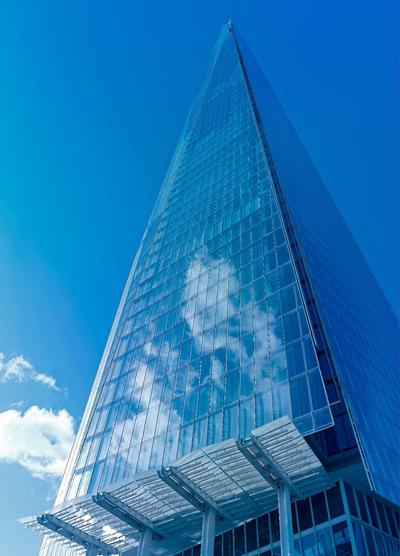
- Shangri-La The Shard, London (5-star · rated 10/10 · 2461 reviews) — Best for couples and families who prefer a full-service base, with a swimming pool, restaurant, room service, and concierge service.
- The Grafton Arms Pub & Rooms (rated 9.8/10 · 838 reviews) — Air conditioning, restaurant, room service.
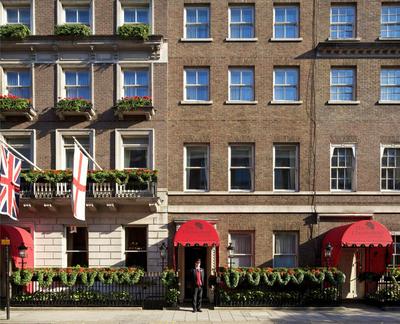
- The Chesterfield Mayfair (4-star · rated 10/10 · 2349 reviews) — A solid option for families and business travelers in Mayfair, with family rooms, concierge service, and room service supported by air conditioning.
- Batty Langley's (5-star · rated 10/10 · 1081 reviews) — Great for couples and families looking for a quiet stay, since soundproof accommodation is paired with air conditioning, room service, and concierge service.
- Spread Eagle (rated 9.6/10 · 951 reviews) — Well matched to couples and families wanting in-room comfort, with air-conditioned rooms and options like a restaurant, room service, and free wired internet.
Frequently asked questions
What are the royal boroughs of London?
The royal boroughs are a small special group, and this article does not list them one by one. For most visitors, the practical split is 32 boroughs plus the separate City of London, which is the main map you use for planning.
What is the richest borough in London?
There is no single answer from this borough list. Wealth varies by measure, but for travel planning the useful point is location: Westminster, the City of London, and Charing Cross are the clearest central reference points, with Westminster about 25 min from Charing Cross on foot.
Which London borough is best for tourists?
Westminster is the safest default for tourists. It puts you closest to the main sights, while the City of London is more business-led and Charing Cross is the handiest central marker for the west side of the core area.
Which London borough has the largest population?
This borough list does not rank population, so there is no single winner here. What it does show is the basic structure: 32 boroughs, plus the separate City of London, split into Inner and Outer London.
Is the City of London a borough?
No. The City of London is separate from the 32 boroughs. It has its own local authority, and it sits apart from the borough system that covers the rest of London.
How to use this list
Use the list by area and by trip purpose. For central travel, start with City of London, Westminster, and Charing Cross; for a wider read on The City, move on to the full 32 borough names and then the Inner London split.
Treat it as a planning tool, not just a name list. If you want to understand London boroughs quickly, begin with the count, then the 32 names, then the Inner London group, and use that order to place each borough on the map before you book or plan routes.