Ischgl
Ischgl Ski Resort: Season, Snow and Après-Ski
When does Ischgl ski season start and finish?
Ischgl’s ski season runs from 26 November 2026 to 2 May 2027, so you get a long winter window with skiing into early May. The opening and closing dates can shift with snow and lift operations, but this is the right scale for planning a late start or a spring trip.
That long finish matters because the resort sits high and covers 239 kilometres of slopes and snow parks, so the upper terrain usually holds on well after lower valleys start to soften. The resort also lists a “First skiing day 2026”, which is the clue that it treats opening as a proper season launch rather than a token weekend.
In practice, you are looking at a resort that works for both early-winter breaks and later-season skiing, with the best chances of steady conditions up high. If you want a trip where spring skiing still feels like skiing, this is one of the safer Alpine bets.
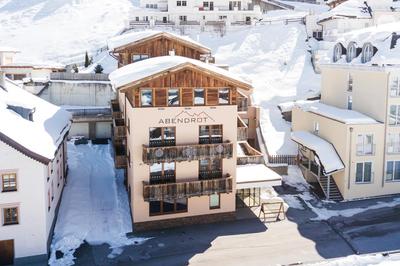
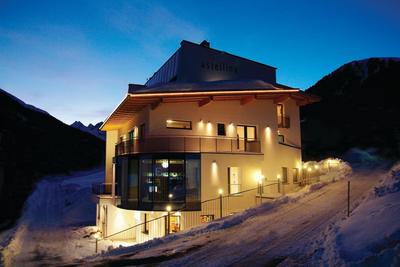
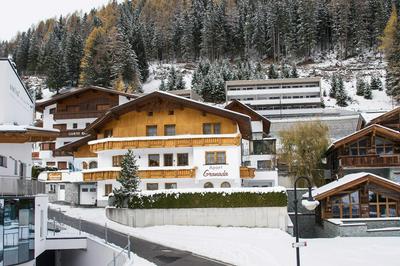
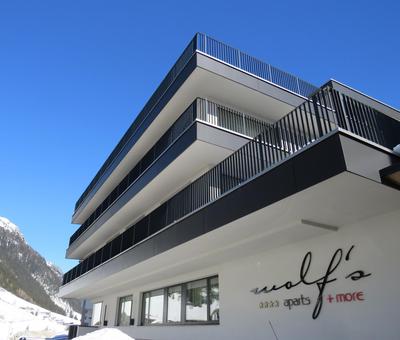
Where to stay in Ischgl:
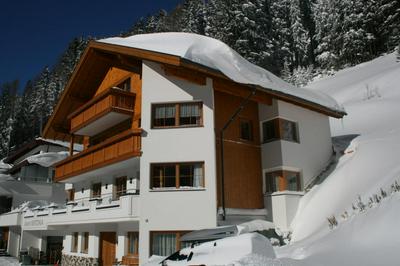
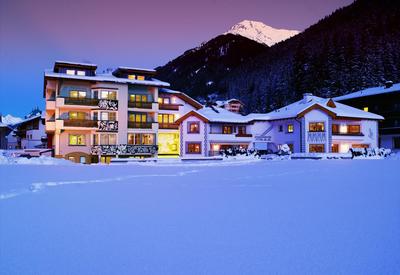
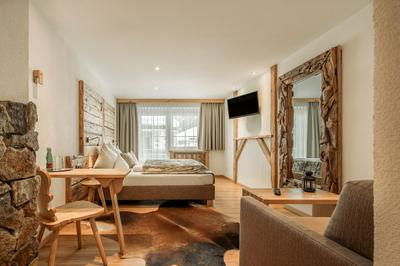
- Hotel Modern Mountain (4-star · rated 9.6/10 · 396 reviews) — Good match for winter room stays with ski storage, since Hotel Modern Mountain includes balconies and has a sauna and spa/wellness center for Après-ski downtime.
- Hotel Idhof (rated 9.1/10 · 339 reviews) — Wifi available, free wifi, parking.
- Schlosshotel Ischgl 5-Sterne Superior (5-star · rated 9.5/10 · 112 reviews) — Suit travelers who want a larger base with a swimming pool and fitness facilities, while staying in Ischgl near the centre with ski-ready parking.
Is Ischgl snow-sure?
Yes, Ischgl is one of the more snow-reliable resorts in Tyrol. The ski area reaches 2,872 metres, and that height, plus the way the slopes sit across the mountain, gives you a better chance of solid cover than lower resorts can manage.
More than 1,100 snowmaking machines back that up when natural snowfall is thin. That does not make snow certain every day, but it does help keep the main ski routes in good shape for longer, especially on the higher runs.
For booking, the practical answer is simple: go with confidence for a winter or spring ski trip, but expect the best snow conditions above the valley floor. Lower sections can soften first on mild days, while the upper mountain usually stays the most dependable part of the area.
Is Ischgl good for beginners and intermediate skiers?
Yes. Ischgl works well for beginners and strong intermediates, but it is not a place where you spend the whole week on flat nursery slopes. The ski area gives you 47 km of blue runs, 140 km of red runs and 47 km of black runs, so the balance clearly favours skiers who can already turn and stop with confidence.
Beginners can manage the blue runs, especially if they stick to the easier linked sections and avoid heading out too far too soon. The layout rewards people who want to build confidence on real mountain terrain, not just repeat the same short slope beside the village.
Intermediate skiers get the best deal here. The 140 km of red runs are the core of the resort, with enough variety to fill a full day without feeling repetitive, and the long cruising links are what the area is best known for.
The black runs are there for a proper challenge, not as an afterthought. If you like being pushed on steep sections and faster descents, you will find enough to keep things interesting without leaving the main area.
The Smugglers’ Circuit also gives the resort its shape in a practical way. It has three routes of different lengths and difficulty levels: the Gold Circuit, the Silver Circuit and the easier Bronze Circuit, so mixed-ability groups can stay together for part of the day and then split up when needed.
For a first trip, we would call it a stronger intermediate resort with enough beginner-friendly terrain to grow into. For mixed groups, that is the point: newer skiers have a clear route through the blues, while confident skiers can spend most of the day on reds and still have blacks in reserve.
How much is a ski pass in Ischgl?
A ski pass in Ischgl is tied to the season and your age band, not a single fixed price in the material here. The main practical point is that skiing starts on 26 November 2026 and runs into early May, with access across Silvretta Arena’s 239 kilometres of groomed runs and 46 lifts and cable cars.
What you pay depends on how long you stay, when you travel in the season, and whether you qualify for a discount. The VIP tariff is valid on 46 lifts in Ischgl/Samnaun, but it is only available to guests with a guest card from Ischgl or Mathon, and you need to show it.
Children under 10 travel free with the VIP tariff when accompanied by a parent. With the Silvretta ski pass, children under 8 travel free when accompanied by a parent; for any discount, an official photo ID is required.
There is also a disability discount from a documented degree of disability of 70% at child rate. In practice, that means families and eligible guests can cut the bill, while everyone else should expect a premium mountain resort price for a large, high-altitude ski area with strong lift capacity and reliable snow support.
Is Ischgl expensive?
Yes, Ischgl is expensive in the way a premium ski resort is expensive. It has 252 hotels in town, 105 within about 500 m, and a median guest rating of 9.3/10, which tells you demand stays high and the best-located places do not need to discount heavily.
The main cost drivers are the resort’s scale, its long season, and its position in the Silvretta Arena. You are paying for high-mountain skiing, fast lifts, a strong snow record, and a base that works well for a full ski holiday rather than a low-cost weekend.
You can keep the trip in range by staying a little away from the busiest centre, choosing a shorter stay, and using the pass rules to your advantage if you travel with children. The point is not to chase the cheapest bed; it is to get a practical place to sleep and spend the rest of the budget on skiing and evenings in town.
For a first trip, we would still base ourselves in town rather than out in the valley. That keeps the lift access and the late-day scene close at hand, which is the bit of Ischgl many visitors come for.
How do you get to Ischgl?
The easiest way in is through Landeck, then up the Paznaun Valley to Ischgl. From Innsbruck, you can reach the resort by rail-and-transfer or by road transfer, which is the main city link for a luggage-heavy ski trip.
Landeck is the key transport point for the valley. From there, the road climbs west into the Paznaun Valley, so you can plan on a straightforward final run rather than a complicated mountain approach.
For train travellers, Landeck is the place to aim for before the last leg into the resort. If you are coming from Innsbruck, that route usually makes the most sense: city arrival, then a single transfer into the valley.
In Ischgl itself, the arrival is practical rather than scenic. You end up in the village centre, which is the right place to be if you want hotels, lifts and Après-ski within easy reach after a long travel day.
Can you ski into Switzerland from Ischgl?
Yes. You can ski from Ischgl into Samnaun in Switzerland, in Graubünden, and the cross-border link is part of the normal ski day rather than a special side trip.
The practical draw is the VIP tariff, which is valid at 46 lifts in Ischgl and Samnaun. That makes the border crossing useful if you want a full day of skiing without planning around one side only.
Treat it as a ski day with two countries, not as a separate excursion. The connection works best when you want more terrain and a longer circuit before heading back for late-afternoon drinks in Ischgl.
What is Ischgl Après-ski like?
Après-ski is one of Ischgl’s main draws, and it starts once the lifts wind down rather than as a side note to dinner. The town centre takes over after skiing, with bars and terraces filling fast and the mood running late into the evening.
This is not a place for an early, quiet night. The scene is strongest for couples and groups who want the social part of a ski trip to matter as much as the runs, and who do not mind the energy building right in the centre of town.
Because so much of it happens close to the village core, you can leave the mountain and move straight into drinks, music and a later dinner without much planning. That is part of why people come here for more than the skiing alone.
Expect a late-day rhythm: ski, change, head into town, then stay out. If you want a resort where the day does not end when the lifts close, Ischgl is built for that pace.
Where to stay in Landeck
Hotels in Landeck that fit this guide:
- Hotel Enzian (4-star · rated 8.7/10 · 1041 reviews) — Works well for guests prioritizing on-site dining and round-the-clock reception, with ski days supported by ski storage and family rooms in Angedair.
- Dachgeschoss-Apartment in Landeck – 140m² (3-star · rated 9.9/10 · 27 reviews) — Wifi available, free wifi, parking.
- Appartements Rendl (rated 9.7/10 · 30 reviews) — Ski storage, free wired internet, tennis lessons on site.
Where to stay in Innsbruck
Hotels in Innsbruck that fit this guide:
- Edenhauserhof (4-star · rated 9.7/10 · 887 reviews) — Good for families after time on the slopes, since Edenhauserhof has a water park, indoor play area, and is in Völs near Natterer See.
- Boutiquehotel Weisses Rössl (rated 9.2/10 · 2009 reviews) — A convenient choice for skiers and groups who want restaurant and bar on site, with ski storage and air-conditioned rooms in Boutiquehotel Weisses Rössl.
- Isserwirt (3-star · rated 9.5/10 · 81 reviews) — Fits families looking for room flexibility, with family rooms for 2 adults and 2 children, children allowed, and a restaurant and terrace for breaks.
Other questions about Ischgl ski resort
Does Ischgl have a piste map?
It does. The piste map covers the Silvretta Arena and is the easiest way to read the mix of blue, red and black runs, plus the Smugglers’ Circuit with its Gold, Silver and Bronze routes.
Where is Ischgl ski resort?
Ischgl is in Tyrol, Austria, in the Paznaun Valley. The main approach runs through Landeck, and the resort sits at the upper end of the valley near the border country.
How high is Ischgl ski resort?
It reaches 2,872 metres. That height is a big part of why the resort is usually more snow-reliable than lower places in the region, especially on the upper mountain.
Is Ischgl worth visiting?
For a long season, strong snow cover and a big ski area, it is. You get 239 kilometres of slopes and snow parks, skiing usually into early May, and the option to cross into Samnaun in Switzerland.
What accommodation is best in Ischgl?
Base yourself in town or close to the lifts. Hotels near Ischgl Silvrettabahn Talstation save you time at the start and end of the day, while central stays make the evening scene and Après-ski easier to use.
Is there parking at Ischgl ski resort?
There is parking around the resort base, but the closest spaces are the first to fill. If you want an easier arrival, getting in early and staying near the lift area is the simpler move.
Final recommendation
Ischgl ski resort is a strong choice for long season trips, mixed-ability groups and anyone who wants cross-border skiing without losing a lively base. The long run into early May, the range of terrain and the link toward Samnaun all work in its favour.
It suits you best if you want a mountain trip with serious Après-ski after dark. If you prefer a quiet village and an early finish, look elsewhere; if you want snow reliability, varied skiing and a social evening scene, Ischgl is an easy pick.
Book it for a season window that gives you the best chance of settled snow and full access to the mountain, then plan to stay in town long enough to use the Après-ski properly.