Venice
Venice: What to Know Before Your Europe Trip
Why Venice belongs on a Europe trip
Venice, in northeastern Italy, rewards first-time visitors who are willing to plan around walking, boats and limited time. On a wider Europe trip, Venice works best when you accept that you will not see everything in one sweep, and that pacing matters more than ticking off sights. Couples, families and budget travellers can all make it work, but only if they choose a sensible base, use the vaporetto well and leave room for slow crossings, short stops and one or two big landmarks rather than a rushed list.
Where Venice is and how the city is laid out

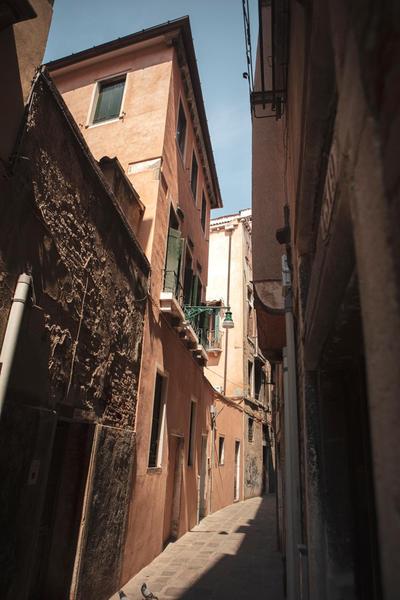
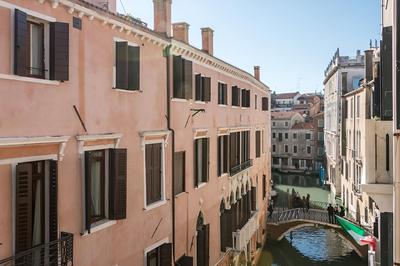
Venice is in Italy’s Veneto region, spread across islands in the Venetian lagoon rather than built on roads and cars. For a first visit to Venice, think in terms of water and walking: the historic centre is compact, but your routes will usually follow canals and bridges, not straight streets.
Use San Marco, San Polo and the Grand Canal as your main reference points. San Marco is where you will find the biggest sights, San Polo sits across the water with an easy local feel, and the Grand Canal is the city’s main waterway, the curve that helps you read the map. Once you understand those three, the rest of the centre starts to make sense, including how the islands connect back to it by vaporetto.
How to get around Venice without cars

In Venice, cars stop at the edge of the historic centre, so you move on foot and by vaporetto. Walking handles the short hops between alleys, bridges, and squares, but the map can mislead you: two places that look close may take 20 minutes because you have to loop around canals. That is why route planning matters more here than in most cities.
The vaporetto is the main public transport, and it does the jobs that streets cannot. Use it to cross the Grand Canal, reach Murano or Burano, or save time when your hotel sits far from a bridge or your legs are done for the day. For first-time visitors, the rule is simple: walk for the short, direct routes; take boats when the canal system makes the street path slow or awkward.
Best areas to stay for a first visit

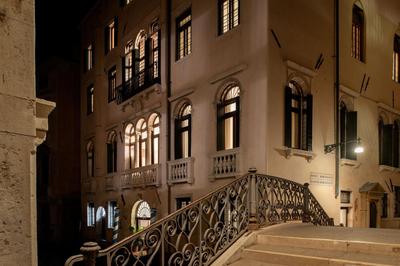
For a first visit to Venice, stay in San Marco or San Polo if you want to walk to the main sights. You will pay more near the Grand Canal, but you save time and late-night boat rides, which matters on a short trip. These areas suit couples and anyone who wants to step out and reach Piazza San Marco, the Rialto Bridge, and the bridge crossings without much planning. A small guesthouse such as Residenza Ducato in the San Marco district keeps the main square within walking distance.
Cannaregio and Dorsoduro are often easier on the budget and still feel central enough for a city break. Cannaregio works well if you want a quieter base with useful vaporetto access, while Dorsoduro suits travellers who do not mind a little extra walking. Near the train station can be practical for families with bags, but it is less polished and less convenient for the main squares than San Marco or San Polo. To weigh up the options by area and budget, compare hotels across Venice before you commit to a base.
Core sights to plan around

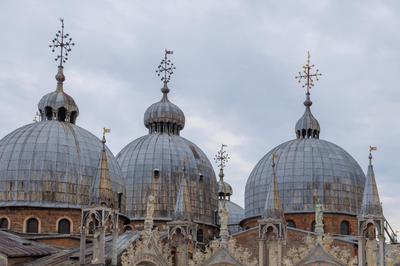
For a first look at Venice, build your time around Piazza San Marco, St Mark’s Basilica, and the Doge’s Palace. That is the city’s central trio: one square, one church, one former seat of power, all close enough to walk in one sequence without wasting time on transport.
From there, head to the Rialto Bridge and a stretch of the Grand Canal. That is the best place to understand Venice visually, because you see the water traffic, the palaces, and the way the city actually works better than you do from a map.
These sights sit close together, so they fit into one half-day or a full morning if you start early. In practice, the smarter plan is to slow down, pick a few stops, and leave space for wandering; trying to force too many museums, churches, and canals into one day usually makes the visit feel rushed.
Easy day trips and short outings

For short outings from Venice, Murano, Burano, and Lido di Venezia are the practical choices. Murano is the easiest island trip if you only have a little time and want a straightforward boat ride, while Burano is the better pick when colour, canals, and photos matter more than speed.
Lido di Venezia works well as a break from the tight city centre, especially for a calmer afternoon with more open space. It feels less compressed than the historic core, so it suits families and anyone who wants a pause from bridges and narrow lanes.
Allow boat time when you plan any island visit. Even short hops take longer than they look on a map, and that extra travel time is easy to underestimate on a one- or two-day stay.
What to eat and drink in Venice
Cicchetti are the most useful thing to eat in Venice if you want a casual meal that still feels local. These small plates show up in bacari across the city: think baccalà mantecato on bread, meatballs, fried seafood, or vegetables topped with simple sauces. Order a few, add a drink, and you have a quicker and often cheaper stop than sitting down for a full lunch.
For most travellers in Venice, that is a better rhythm than planning every meal around a restaurant table. A small glass of wine or an aperitivo with cicchetti works well before or after sightseeing, especially around the Rialto and in the lanes away from Piazza San Marco. If you want one proper dinner, make it count; for the rest of the day, bacari-style stops keep things flexible.
Budget travellers should pay attention to where they eat. Prices tend to climb near the main squares, so moving a few streets away and using bacari can stretch your money without turning the trip into constant takeaway. Ask what is fresh, choose a couple of plates at a time, and eat standing at the bar if the place is busy.
How to plan a smoother visit
Book major sights early if you are coming in a busy period, especially if the trip is short. St Mark’s Basilica and the Doge’s Palace can fill your best time slots quickly, and once those are fixed you can shape the rest of the day around them. That matters even more in Venice, where moving across the city takes longer than it looks on a map.
The smartest Venice plan groups nearby sights together. Pair Piazza San Marco, St Mark’s Basilica, and the Doge’s Palace in one block; do the Rialto Bridge and the Grand Canal area in another; then leave island trips for a separate half-day. Crossing the city repeatedly wastes time on bridges, detours, and vaporetto waits.
Families should keep one lighter half-day open. Children tire quickly on Venetian bridges, and every boat change adds a small delay that becomes a long one by late afternoon. Build in a slower stretch for a canal walk, a snack stop, or a simple ride on the vaporetto rather than packing the day wall to wall.
Check transport and island time together before you leave the hotel. Murano, Burano, and Lido di Venezia all take different amounts of time depending on where you start, and the last thing you want is a rushed return across the Venetian lagoon. If you are travelling with luggage, allow extra time for stairs, crowds, and the gap between a boat stop and your door.
For a smoother visit, choose a route that balances the famous sights with quieter streets and canals. Venice rewards slower movement: one good vaporetto ride, one clear cluster of landmarks, and one planned meal are better than trying to cover the whole city in a day. That approach keeps the trip practical instead of exhausting.
Where to stay in Venice
Hotels in Venice that fit this guide:
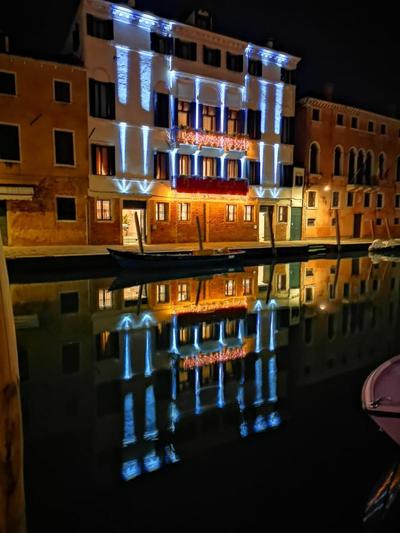
- Ca' Bonfadini Historic Experience (5-star · rated 10/10 · 1000 reviews) — With its Fondamenta Savorgnan address and family and couple-friendly historic setting, this 5-star hotel suits travelers wanting an immersive Venice stay.
- Hotel Ai Cavalieri di Venezia (4-star · rated 10/10 · 670 reviews) — Set on Calle Borgolocco, this 4-star hotel suits families and travelers seeking a comfortable upscale base with soundproof rooms.
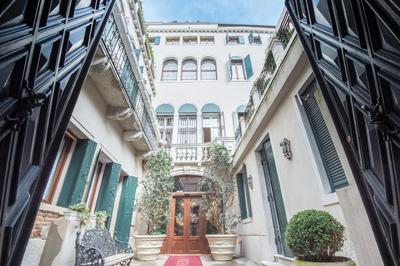
- Residenza Ducato (rated 10/10 · 378 reviews) — Located at San Marco, Residenza Ducato suits families and pet lovers looking for an authentic Venetian experience with soundproof rooms.
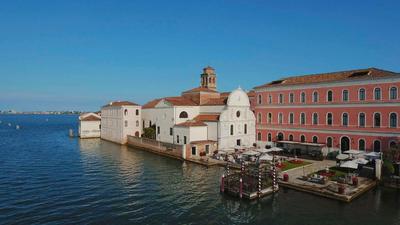
- San Clemente Palace Venice (5-star · rated 10/10 · 384 reviews) — On Isola di San Clemente, this 5-star property suits families and couples wanting a refined Venice stay with a swimming pool and restaurant.
- Hotel Palazzina Sardi (4-star · rated 10/10 · 52 reviews) — In Castello, Hotel Palazzina Sardi suits couples with romance-focused stay details, multilingual staff, and wheelchair accessibility.
- 312 Piazza San Marco – Relais il Doge (rated 10/10 · 296 reviews) — At Calle San Basso 312 near San Marco, this guest-focused stay suits families and road-trippers with concierge support and express check-in.
- Eight Venezia (5-star · rated 10/10 · 257 reviews) — In Castello by campo Santa Maria Formosa, Eight Venezia suits couples seeking an intimate escape, with dining on-site and sauna access.
- Palazzetto My Venice (4-star · rated 10/10 · 30 reviews) — Dorsoduro’s Palazzetto My Venice suits couples with concierge service and free WiFi, plus wheelchair accessibility and a garden.
- B&B HORTUS (rated 10/10 · 198 reviews) — In Dorsoduro, B&B HORTUS suits families wanting city culture, offering shared lounge time, board games, and disabled access.
Common questions about Venice
Is Venice a good first stop on a Europe trip?
Yes, Venice works well for a first Europe trip if you plan around walking and boats. The city is compact, but you will move more slowly than you expect, so it suits travellers who are happy to see a few major sights well rather than chase a long list.
What is the easiest way to get around Venice without a car?
The easiest way is a mix of walking and the vaporetto. Walk for short distances between bridges and lanes, then use the boat to cross the Grand Canal, reach islands like Murano and Burano, or save time when a route looks short but turns awkward on foot.
Which area should I stay in for a first visit to Venice?
San Marco or San Polo are the best bases if you want to be close to the main sights. They cost more, but you save time and avoid extra boat rides. Cannaregio and Dorsoduro are better if you want a quieter stay or a lower price.
Which sights should I prioritise if I only have one day in Venice?
Start with Piazza San Marco, St Mark’s Basilica, and the Doge’s Palace, then go to the Rialto Bridge and a stretch of the Grand Canal. Those places give you the clearest sense of the city and fit together without wasting much time on transport.
What should I eat in Venice if I want a simple local meal?
Cicchetti are the best easy option. These small plates are served in bacari and can include baccalà mantecato, meatballs, fried seafood, or vegetables. Order a few, add a drink, and you get a flexible meal that is often cheaper than sitting down for lunch.
A simple Venice itinerary to start with
For a first day in Venice, keep it simple: start in San Marco, follow the Grand Canal by vaporetto or on foot as far as you can, then drift toward the Rialto area for lunch or cicchetti. If you have time for one island outing, choose Murano or Burano, not both, unless you are staying several nights. Venice rewards a slow plan built around nearby sights and one good crossing of the lagoon, not a packed list that leaves you rushing between crowds and docks.