Rome
Rome: Ancient Sites, Neighborhoods and Food
Why Rome rewards a slow first visit
Rome is easier to enjoy when you group sights by area instead of trying to cross the whole city in one day. On a first trip, a short list works best: a few ancient sites, one central square, one neighbourhood walk, and one place to sit down for food in Rome without rushing off again.
That approach suits couples and families alike. Leave room for slow meals, a coffee stop, and a break between crowded sights, because Rome rewards pace more than packing your schedule.
Ancient Rome landmarks worth prioritising

For Ancient Rome, put the Colosseum, Roman Forum, and Palatine Hill together in one half-day. They sit close enough that you can move through them as one route, and they make more sense when you see them in sequence rather than as separate tickets on a rushed day. In rome, this is the rare part of the city where planning by area saves real time.
If you only choose one stop, make it the Colosseum. It gives first-time visitors the clearest sense of scale, and you can understand the rest of the site from there. The Forum and Palatine Hill are better if you want more context and a little less crowd pressure, with open ground that lets you pause and look around.
Do not underestimate the walking. The ground is uneven, the views pull you in different directions, and the route between monuments takes longer than it looks on a map. Build in time for benches, water breaks, and slow movement, especially if you are visiting with children or trying to keep the day comfortable for two people who want to linger.
Rome's historic centre and major squares

The easiest first walk in central rome is the one that links the Pantheon, Trevi Fountain and Piazza Navona. Start early, before the tour groups and coach loads arrive, or go back after dinner when the streets are still lively but easier to move through. In this part of the historic centre, the streets bend and narrow, so the distances feel shorter than they look on a map. You can move from one square to the next on foot without needing transport, which is why this area works so well on a first trip.
The Pantheon sits close enough to Piazza Navona that you can treat them as one loop, with Trevi Fountain a short walk away through lanes packed with cafés and shops. Campo de’ Fiori works differently: it is more useful as a place to stop for coffee, lunch, or a market visit than as a sight you need to linger over. If you are trying to see the classic face of rome in a single outing, this is the most efficient stretch of the city.
Best neighborhoods to stay and spend time

If you want a base that feels walkable and close to the ancient sites, Monti is one of the best rome neighborhoods to consider. The streets are narrow, the shops are small, and you can get to the Colosseum and the Roman Forum without planning your day around transport. It suits travellers who like to step out for a quick breakfast, browse a few independent stores, and be back at the hotel in minutes.
Trastevere works better if you want evenings on foot. It feels more local after dark, with plenty of places to eat and a street pattern that encourages wandering rather than rushing between landmarks. For couples and families who like a dinner-and-walk routine, it is easier to settle into than the more hectic central squares, though you will trade some direct access to the main sights.
Prati is calmer and more open, with wider streets and an easier pace around the Vatican side of town. It is a good choice if your priority is Basilica di San Pietro and the Vatican Museums, and you prefer a district that feels residential rather than tourist-heavy. Aventine Hill is quieter still, better for slow mornings, gardens, and views than for nightlife, so it suits visitors who want a break from the centre rather than constant activity.
Compared with Centro Storico and Campo de’ Fiori, these rome neighborhoods give you different ways to use the city. Centro Storico keeps you closest to the Pantheon, Trevi Fountain and Piazza Navona, but it can feel crowded at peak hours. Trastevere is easier for eating out, Monti is better for easy sightseeing, Prati is practical for the Vatican, and Aventine Hill is the right call if you want the quietest mornings.
Vatican City and the west side of Rome

The west side of rome changes the rhythm of a first trip. Basilica di San Pietro and the Vatican Museums are the two main draws, and both are easier if you start early, before the tour groups and the longest security lines build up. Give yourself one museum day and one church visit, rather than trying to bolt them onto a packed list of sights.
This part of the city also fits well with Prati, which is cleaner, more orderly, and quieter at night than the central districts. If you want to sleep in an area that feels practical rather than crowded, it makes sense. The west side suits visitors who want one major religious site and one museum day, then a calmer evening back in the neighbourhood instead of racing across rome.
What to eat and where to look for it

Food in Rome is best approached through simple dishes and neighbourhood meals, not a long checklist of tourist traps. Start with Roman cuisine that locals actually eat: pasta alla carbonara, cacio e pepe, amatriciana, supplì, and a slice from a bakery when you are moving between sights. Keep it plain and local, and you will eat better.
Roman food makes more sense when you eat near where you already are, especially in Trastevere, Monti, or around Campo de’ Fiori. That is where food in rome fits naturally into the day: a proper lunch after the Forum, a long dinner after the Vatican, or an easy trattoria meal before heading back. In these rome neighborhoods, leave time for sitting down; treating meals as a quick stop usually means you miss the best part of the city.
A simple Rome itinerary for one to three days
For one day in Rome, keep it tight: start at the Colosseum, then walk through the Roman Forum and Palatine Hill if time allows, and finish in the historic centre around the Pantheon, Piazza Navona and the Trevi Fountain. That gives you one compact route without spending half the day on transport. Stop for lunch near the Forum or in Monti, then keep the afternoon on foot.
With two days, add either Vatican City or a long evening in Trastevere. If you choose the Vatican side, plan for St. Peter’s Square, Basilica di San Pietro and the Vatican Museums, then cross back for dinner. If you choose Trastevere, use the daylight for central sights and save the neighborhood for an easier evening of food in Rome, with less rushing and better people-watching.
Three days is the right pace for most first trips. Spend one day on ancient Rome, one on the central squares and fountains, and one on the Vatican plus a residential base like Monti or Prati. That last day matters because it lets you see how rome neighborhoods feel after the sightseeing crowds thin out, and it gives you room for a proper meal instead of a checklist run.
Where to stay in Rome
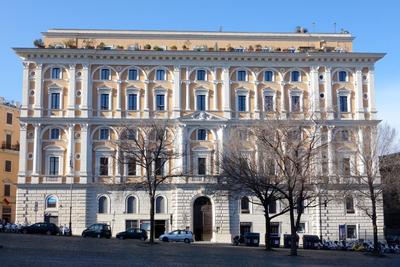
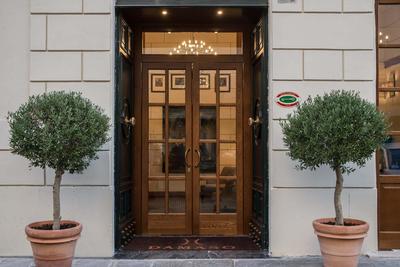
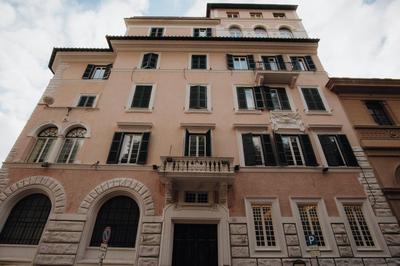
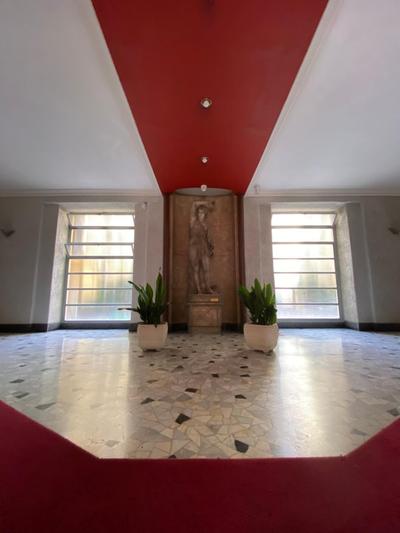
Hotels in Rome that fit this guide:
- Hotel Viminale (4-star · rated 10/10 · 1923 reviews) — Families and luxury travelers fit Hotel Viminale in Rome’s Viminale area, with soundproof rooms, non-smoking spaces, and on-site coffee shop facilities for a comfortable city stay.
- Princeps Boutique Hotel (3-star · rated 10/10 · 2582 reviews) — Princeps Boutique Hotel suits families and road-trippers in Rome’s Esquilino area, offering family rooms, soundproof accommodations, and non-smoking options with express check-in/out.
- VATICAN LUXURY SUITE (rated 10/10 · 1119 reviews) — Vatican Luxury Suite works for couples and solo travelers wanting history and culture nearby, with non-smoking rooms, cashless payment, and shuttle service mentioned.
- Singer Palace Hotel Roma (5-star · rated 10/10 · 549 reviews) — Singer Palace Hotel Roma suits families in central Rome, combining family rooms, a terrace, and soundproof rooms with dining and room service facilities.
- Hotel Martis Palace (4-star · rated 10/10 · 531 reviews) — Hotel Martis Palace suits families seeking luxury comfort in Rome, with family rooms, restaurant and room service, plus soundproof rooms for quieter downtime.
- Princeps Boutique Hotel (3-star · rated 10/10 · 2582 reviews) — Princeps Boutique Hotel suits solo travelers and families in the Esquilino area, with non-smoking throughout, family rooms, and soundproof accommodations for restful stays.
- Maison Tritone (rated 10/10 · 901 reviews) — Maison Tritone suits families and road-trippers in Rome, with family rooms, car hire, and packed lunches, alongside non-smoking rooms and express check-in/out.
- Rocco Forte Hotel De La Ville (5-star · rated 10/10 · 138 reviews) — Rocco Forte Hotel De La Ville suits couples and families in Rome’s central area, offering a terrace, restaurant and room service, plus education on local ecosystems.
- The Fifteen Keys Hotel (4-star · rated 10/10 · 486 reviews) — The Fifteen Keys Hotel suits families and pet owners in Rome’s Monti District, with pets allowed, non-smoking rooms, and terrace facilities for a practical base.
- Hotel Damaso (3-star · rated 10/10 · 2269 reviews) — Hotel Damaso suits solo travelers and couples in central Rome’s Cancelleria area, offering concierge support, allergy-free rooms, and disabled-accessible facilities.
Common questions about visiting Rome
How many days do you need for a first trip to Rome?
Three days is the most comfortable start for Rome. Use one day for the Colosseum, Roman Forum, and Palatine Hill, one for the Pantheon, Trevi Fountain, and Piazza Navona, and one for Vatican City. If you only have one or two days, keep each day focused on one area.
Which Rome neighborhoods are best to stay in for first-time visitors?
Monti, Trastevere, and Prati are the easiest Rome neighborhoods to use well on a first trip. Monti works for the ancient sites, Trastevere is best for evening walks and dinner, and Prati is practical for the Vatican. Centro Storico is central, but it is usually the busiest.
What should I prioritize if I only have one day in Rome?
Start with the Colosseum, then move through the Roman Forum and Palatine Hill if you have the energy. After that, stay in the historic centre for the Pantheon, Piazza Navona, and Trevi Fountain. Keep the day on foot and leave room for a proper lunch.
Where should I eat if I want good food in Rome without tourist traps?
Look for food in Rome in Trastevere, Monti, and around Campo de’ Fiori, but choose places where locals actually sit down for lunch or dinner. Order simple Roman dishes like carbonara, cacio e pepe, amatriciana, or supplì, and avoid treating meals like a quick stop between sights.
Is Vatican City worth separating from the rest of Rome?
Yes, Vatican City deserves its own half-day or day. Basilica di San Pietro and the Vatican Museums are easier to enjoy if you start early and do not tack them onto a packed sightseeing list. Prati is a good place to stay if you want that side of Rome to feel calmer.
Planning your Rome trip with the right priorities
In Rome, resist the urge to cover every landmark in one trip. Group your plans by area, choose a neighborhood that suits your pace, then build walks and meals around that base. A slower plan usually works better for first-time visitors, because you see more of rome and spend less time moving between it all.